WLSA 3-on-3, first place.
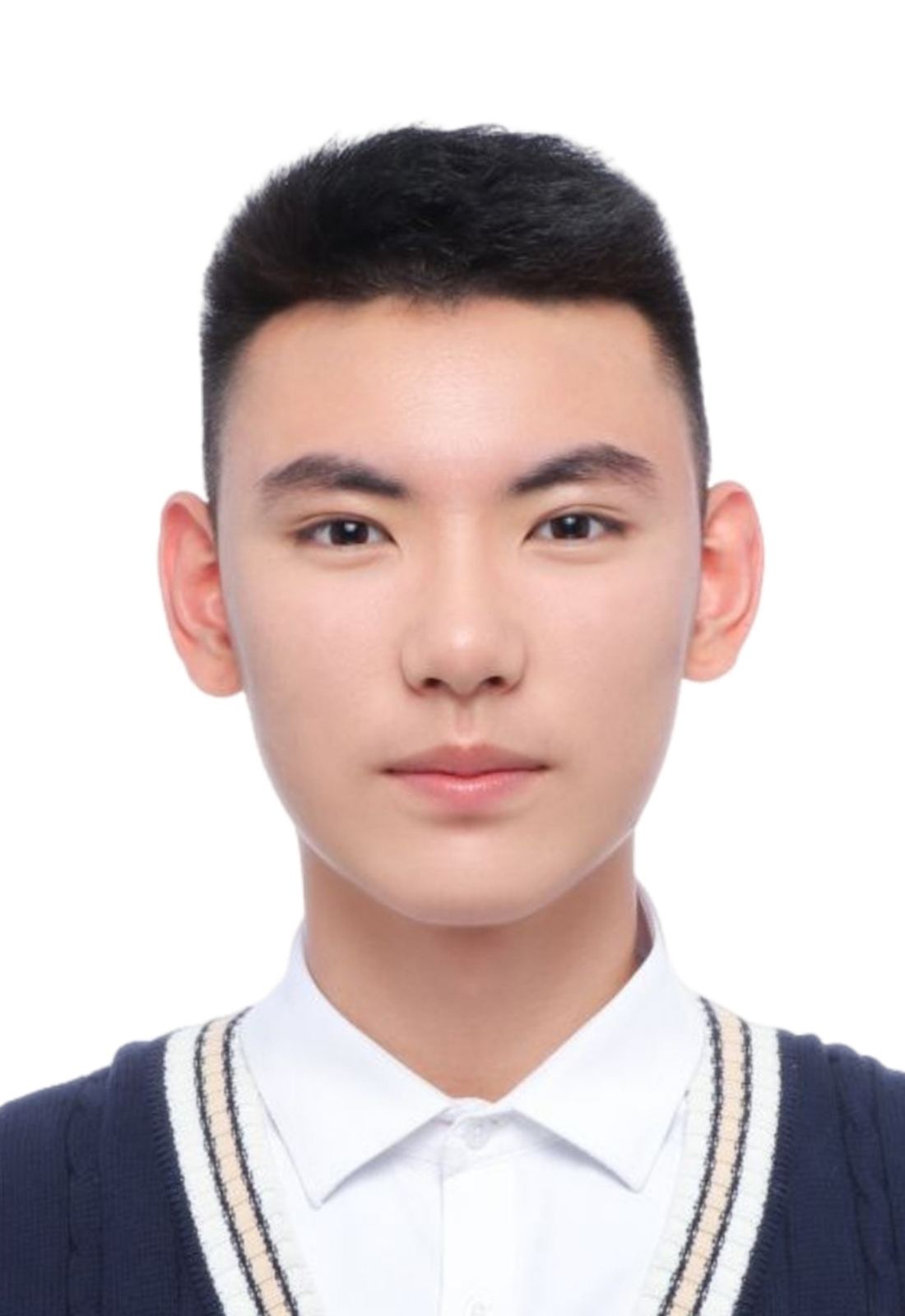
U.S. undergraduate application
TianqiqiZhu
Jerry · 祝田奇奇
I am a high school student at WLSA Shanghai Academy. I play, I perform, and I build — then I try to teach a model to see the same thing I have been watching.
Silver medal, sensor behavior detection.
Basketball action recognition, and hallucination-robust visual QA.
A maker who stayed in motion
I like basketball, table tennis, fishing, swimming, and skating. I have loved performing since I was small. Lately I have started writing screenplays and using AI to make short films.
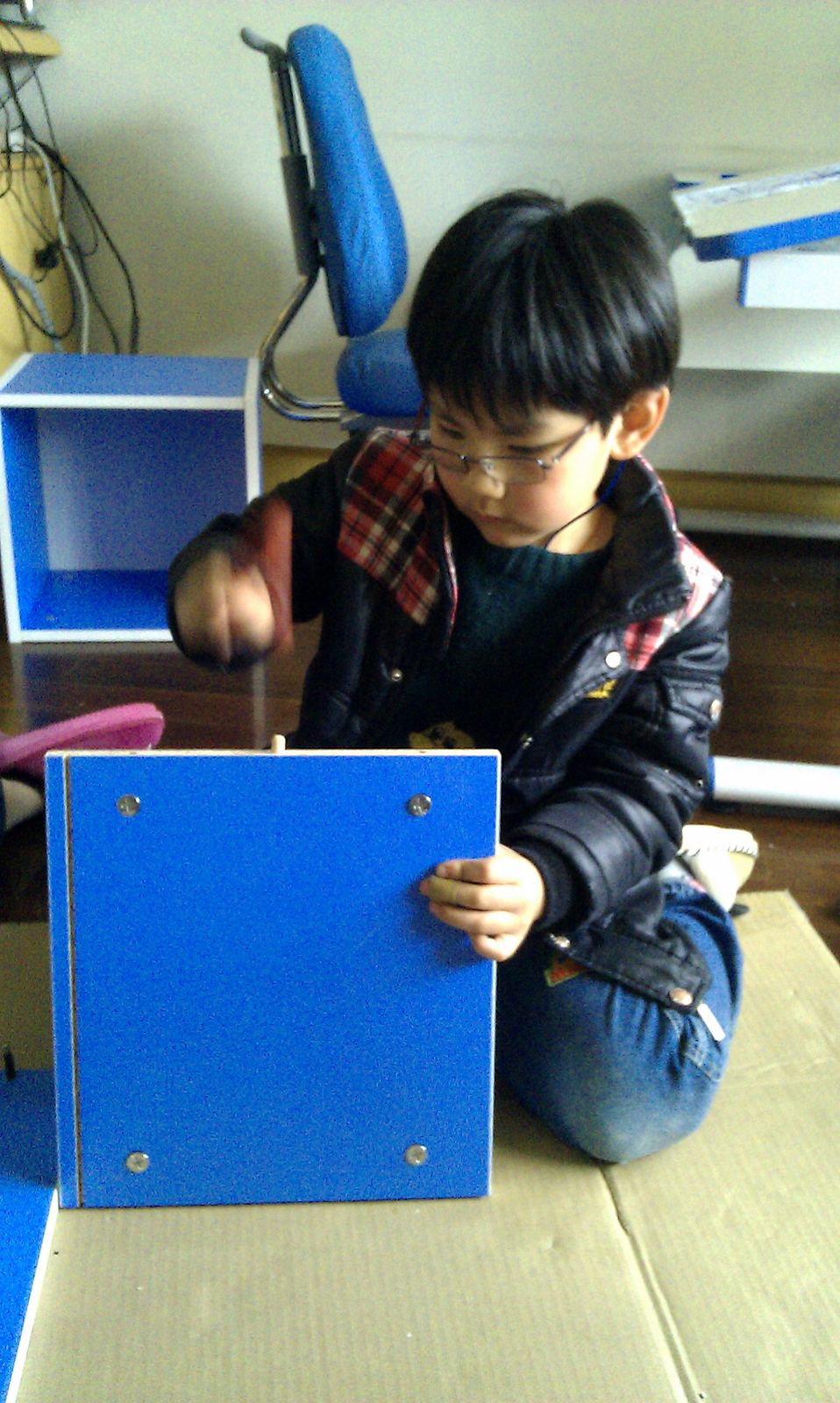
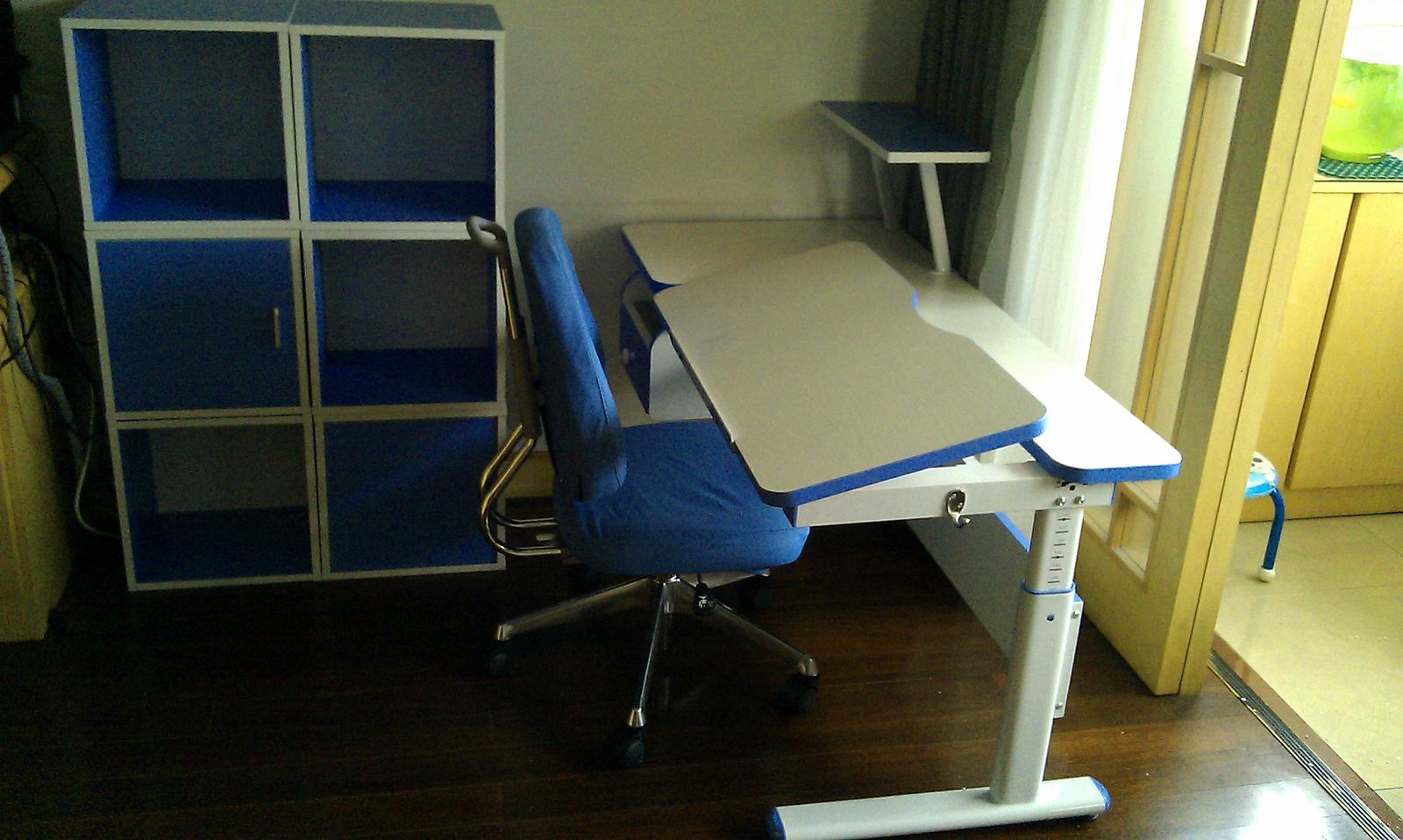
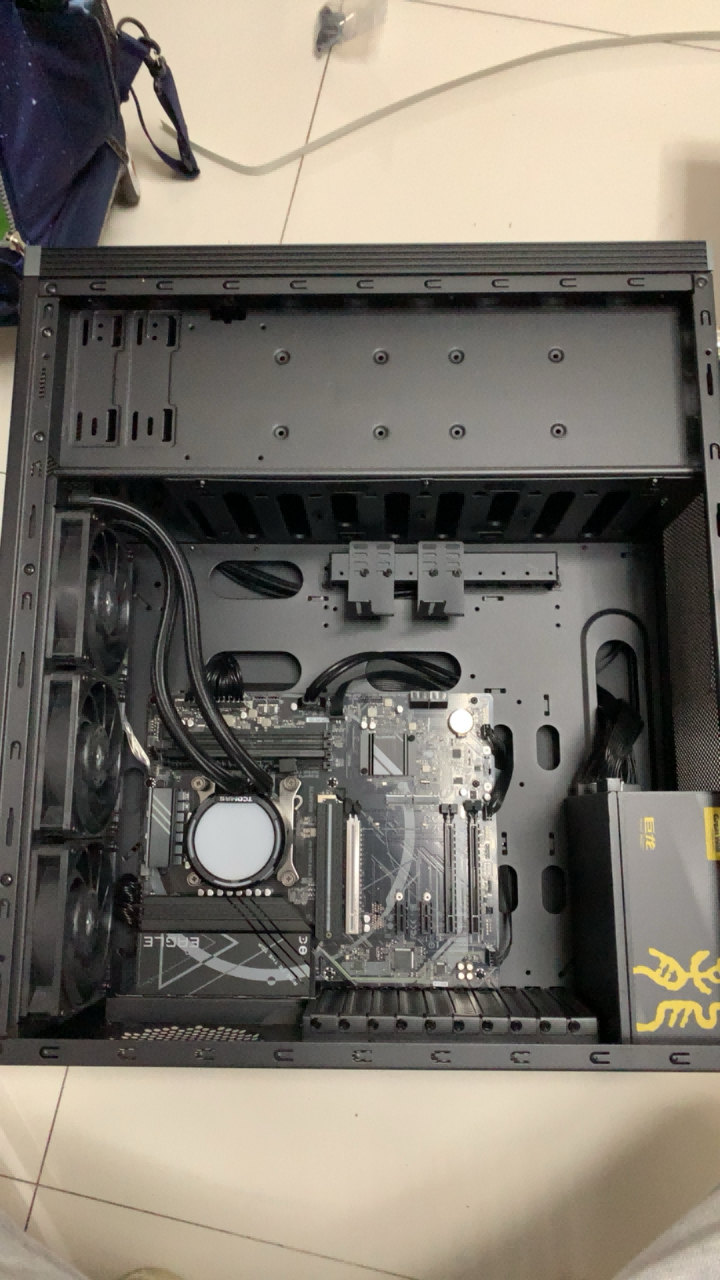
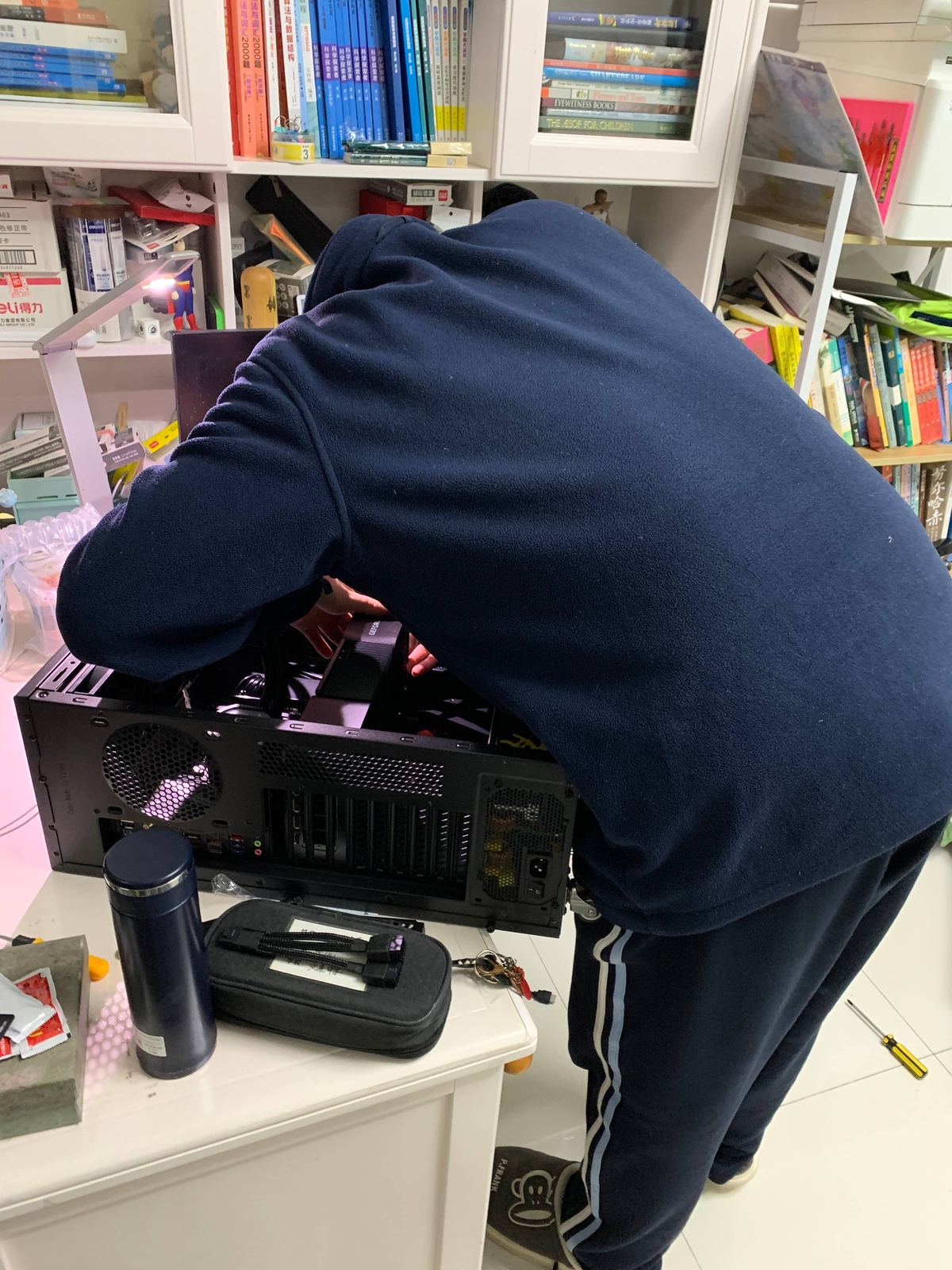
I grew up with Lego and helped build simple furniture. In high school I assembled my first AI server. AI is moving quickly, and I am learning it with a purpose: to work on problems that are already in front of me. How an athlete moves. How a person with limited mobility crosses uneven ground. How someone new in town finds a room and a job.
The court, the stage, and the workbench turned out to be the same habit. Watch carefully, then make something that helps the next person see it too.
Sports
A year of elementary school in the United States put me in the stands. Everything after that was me trying to stay in the game — and, later, to measure it.
Basketball
From the stands to a school title-
Grade 3
A year in the United States
In third grade I spent a year studying in the United States. There I watched my idol Stephen Curry play live for the first time, waited by the court hoping for an autograph, and — because my friends would not drop the idea — started playing myself.
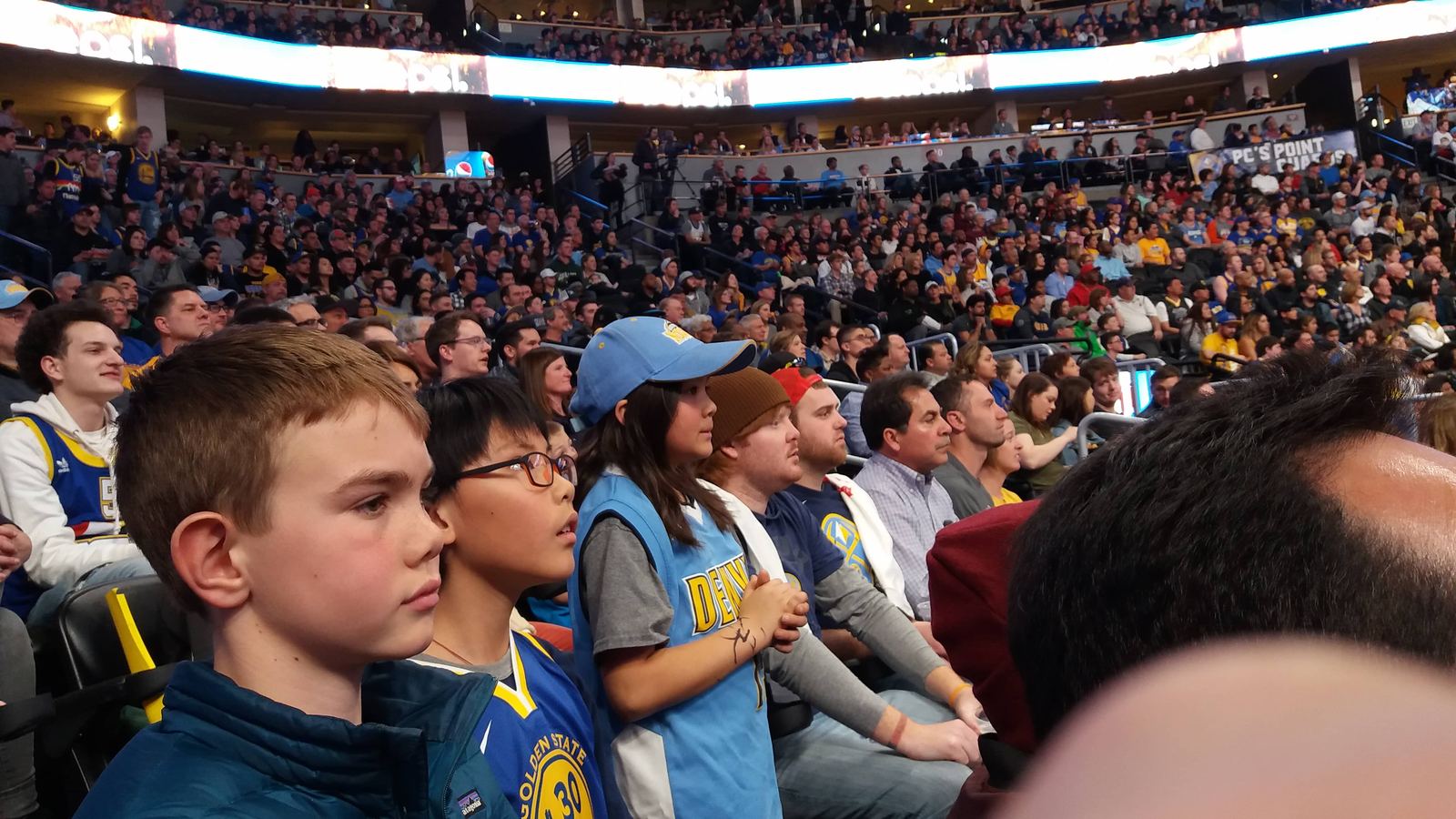
First time seeing Curry’s team in person. 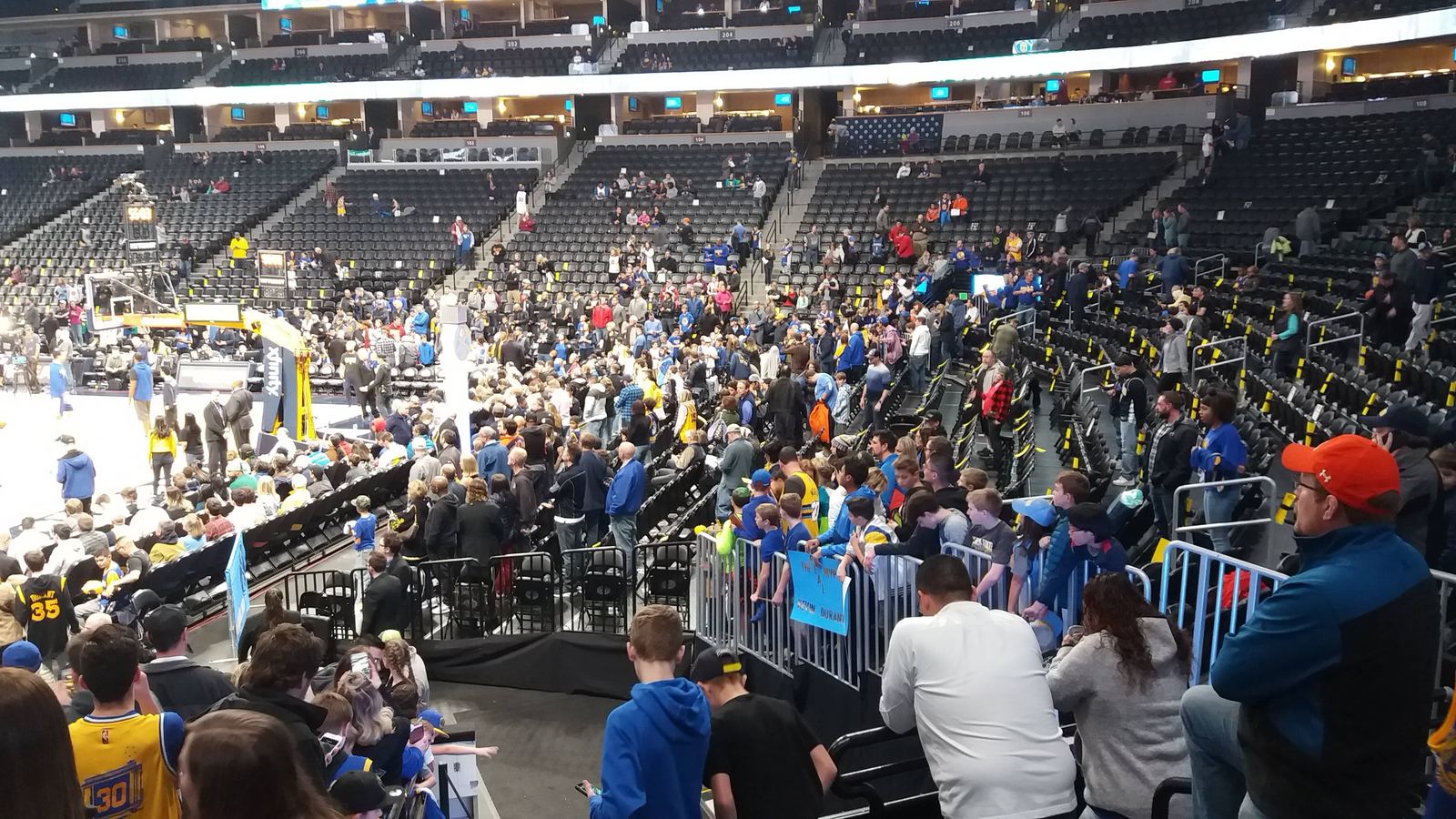
Waiting along the court, hoping for a signature. The friends who got me playing. -
Back home
Elementary tournament
After I returned to China I played in an elementary-school basketball tournament.
Game film from the elementary tournament. -
COVID
Still on the court
During COVID, when movement in China was tightly restricted, I kept playing.
Practice during the years of strict controls. -
WLSA
3-on-3 champions
In high school I played in WLSA’s 3-on-3 tournament. Our team finished first in the school.
The 3-on-3 tournament at WLSA. 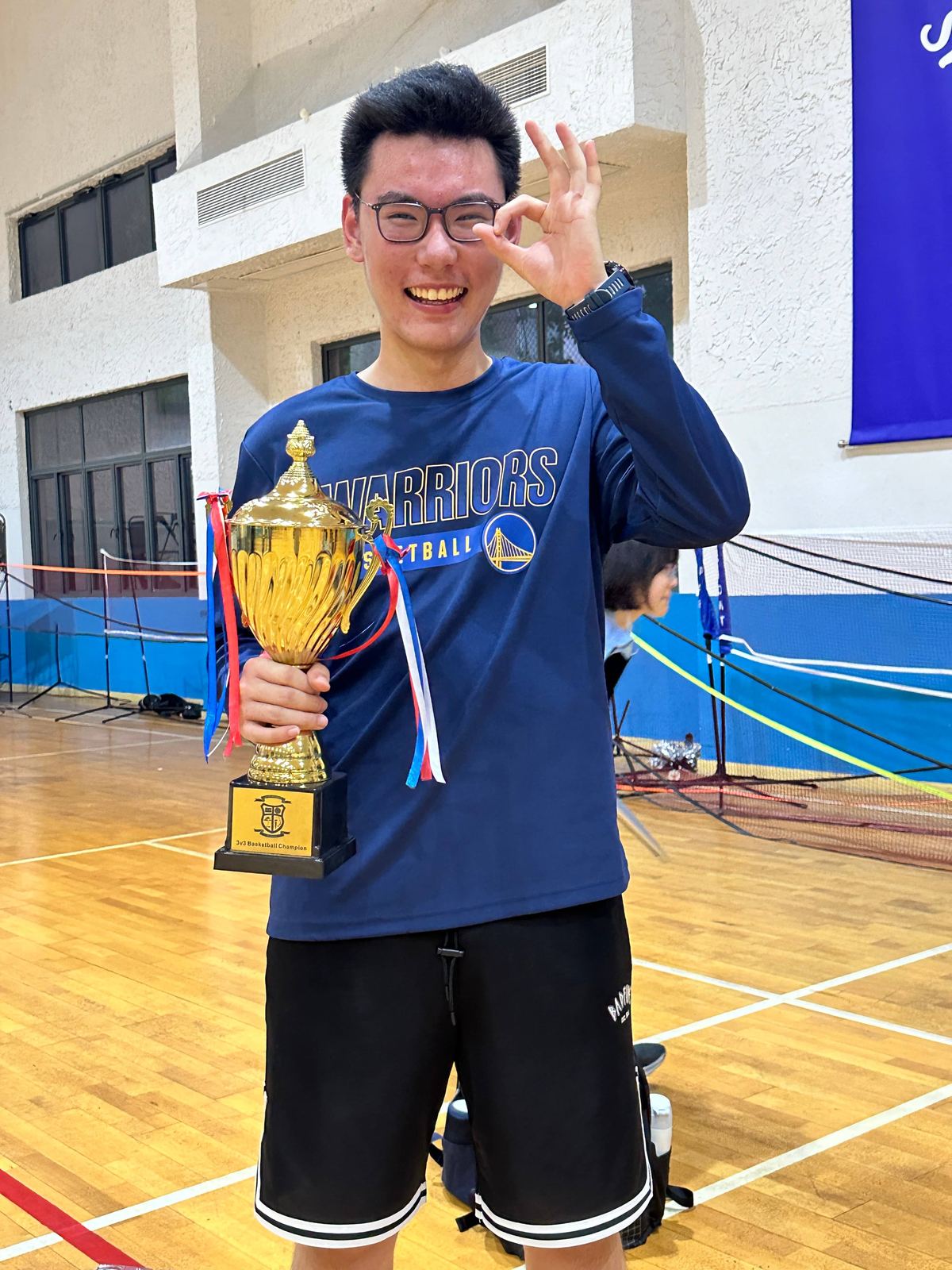
With the championship trophy. 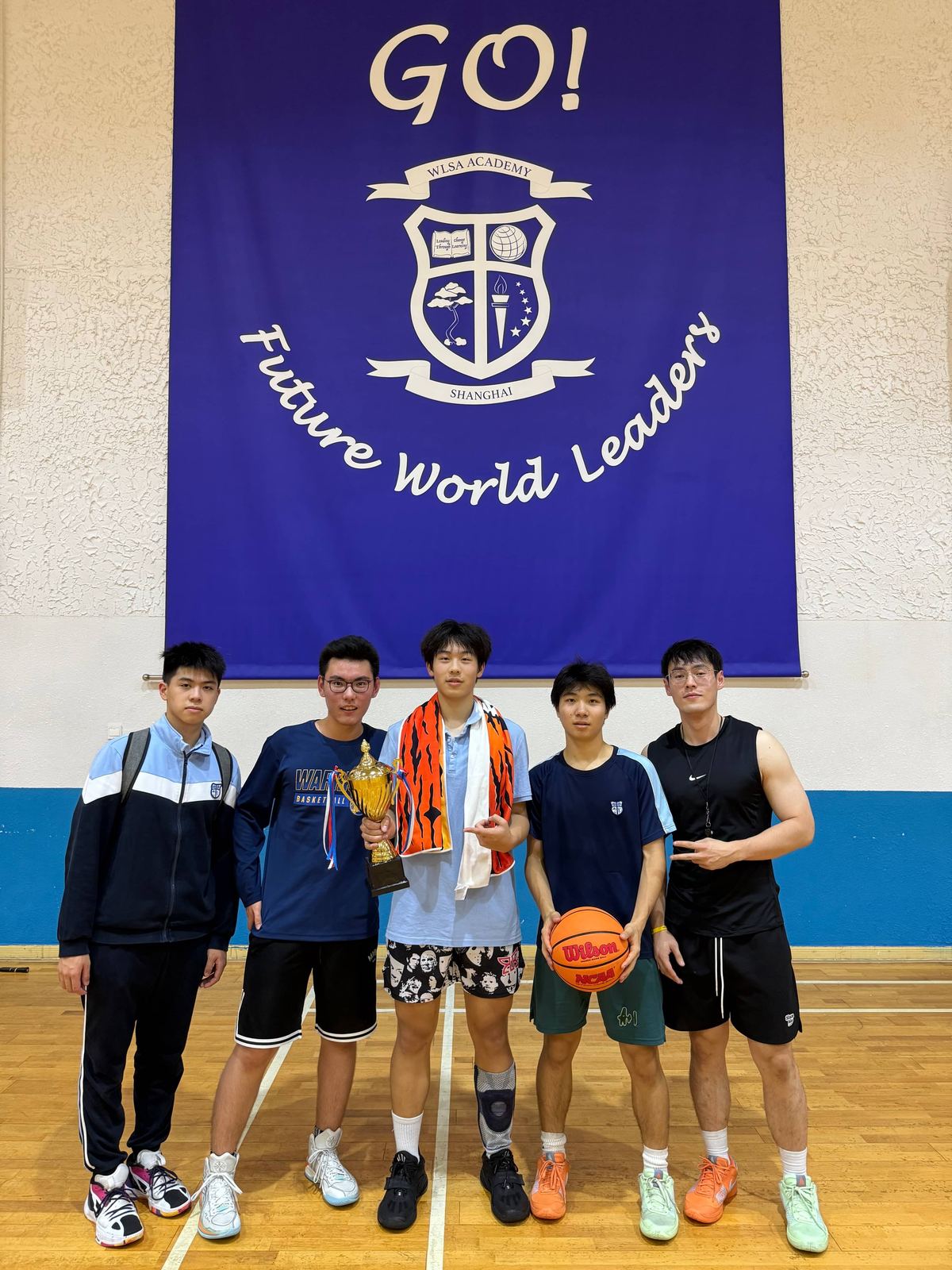
The team, under the WLSA banner.
Table tennis
WLSA teamThe first video is me learning as a child. The second is practice now. I am a member of the WLSA table tennis team.
Fishing
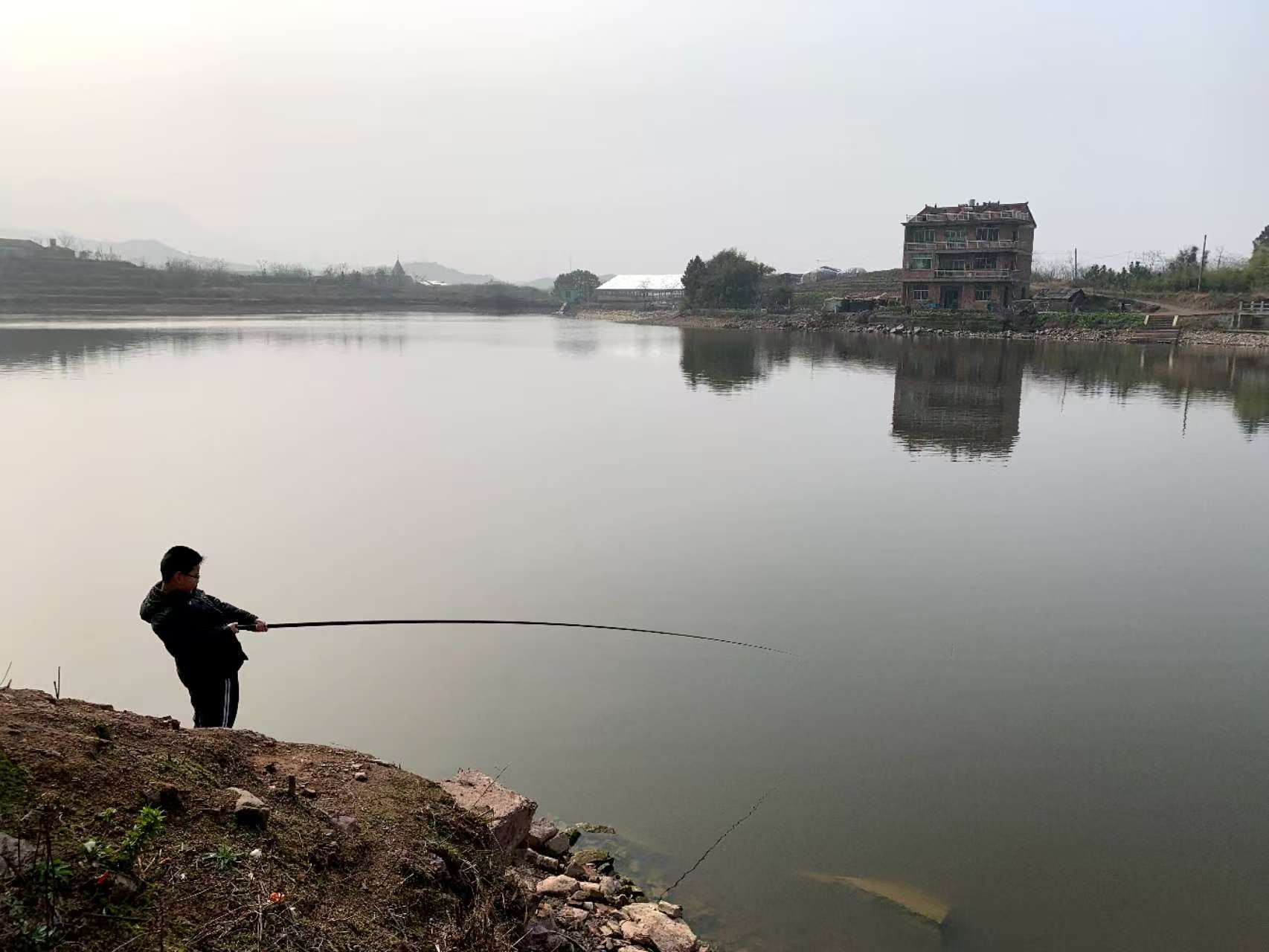
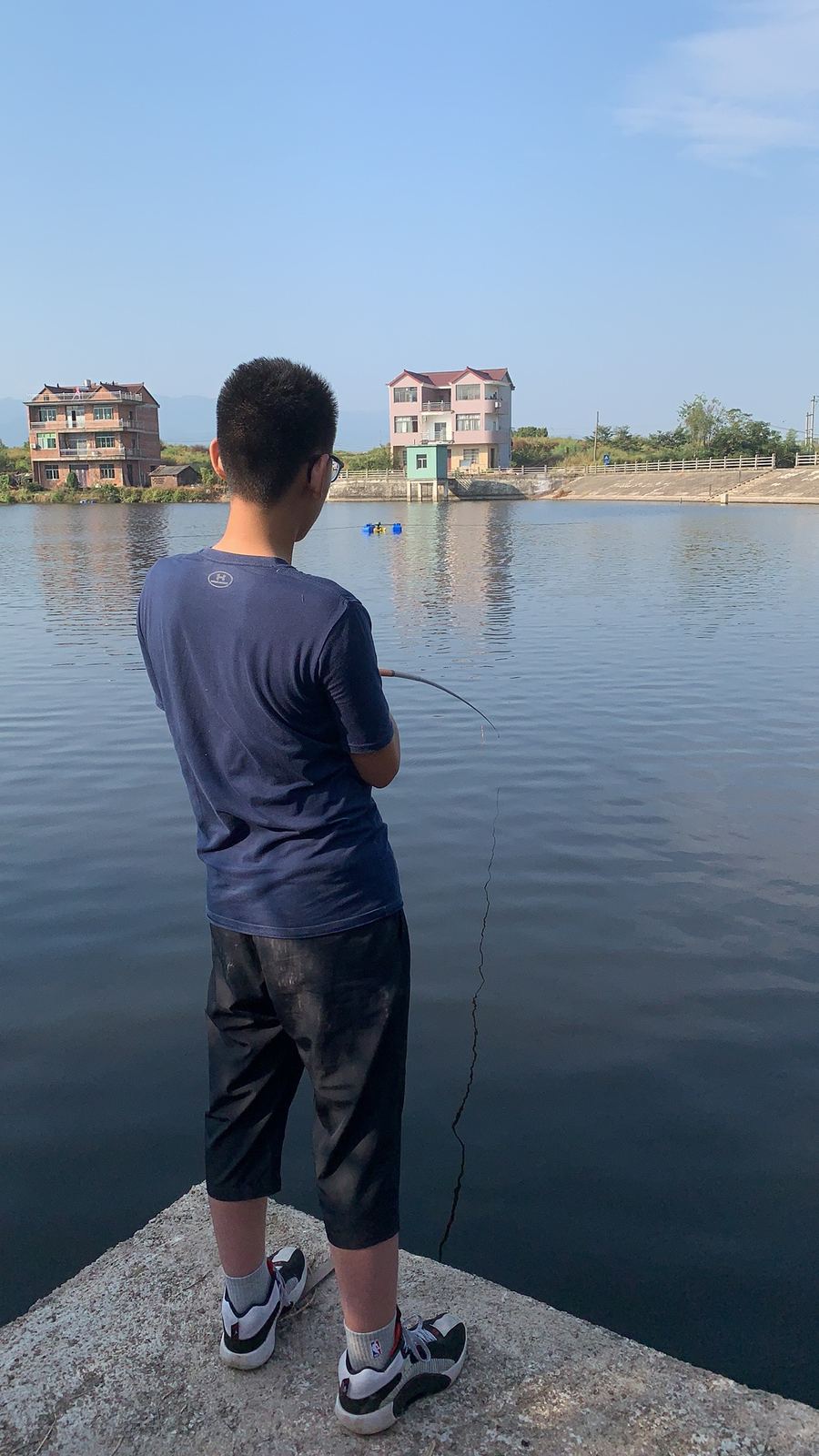
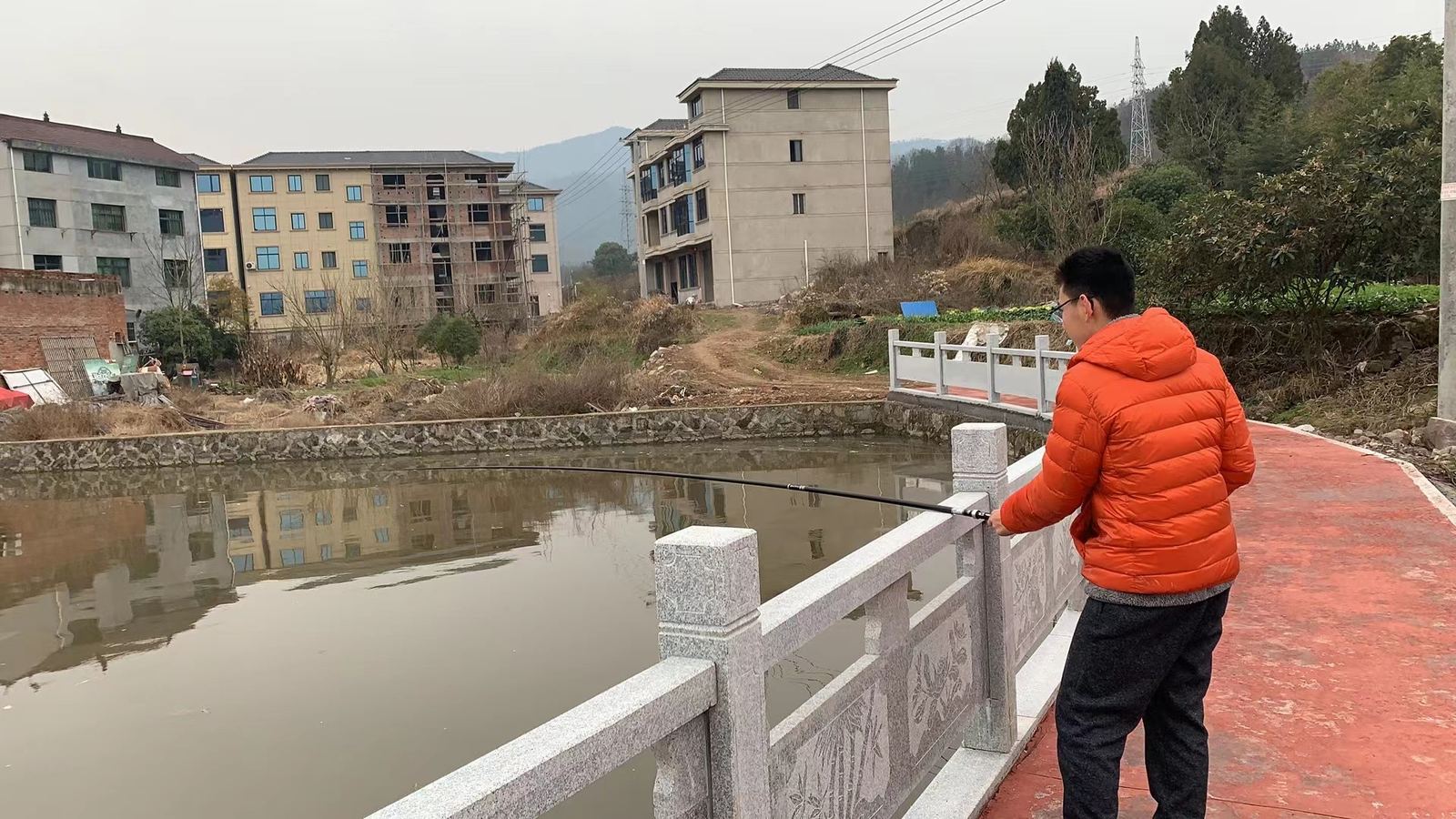
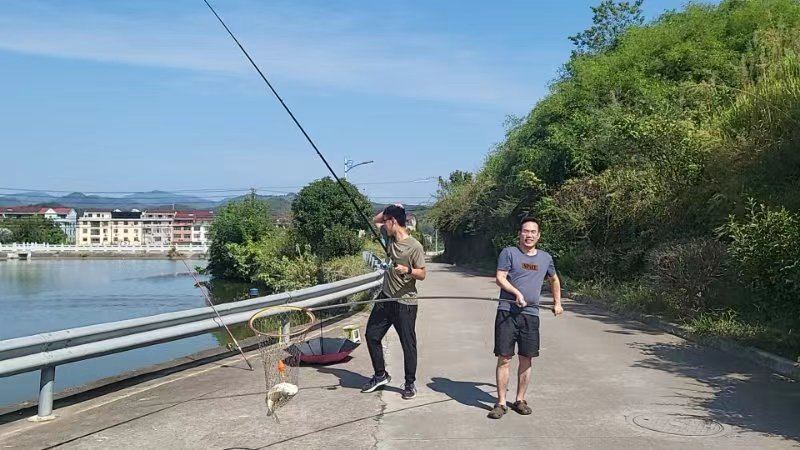
Hometown waterWhen I go back to my hometown I fish. These are the banks, the ponds, and the afternoons.
Skating
Learned in the U.S.I learned to skate during that year in the United States, then kept going with friends.
Swimming
In the waterA short clip from the pool.
Stage
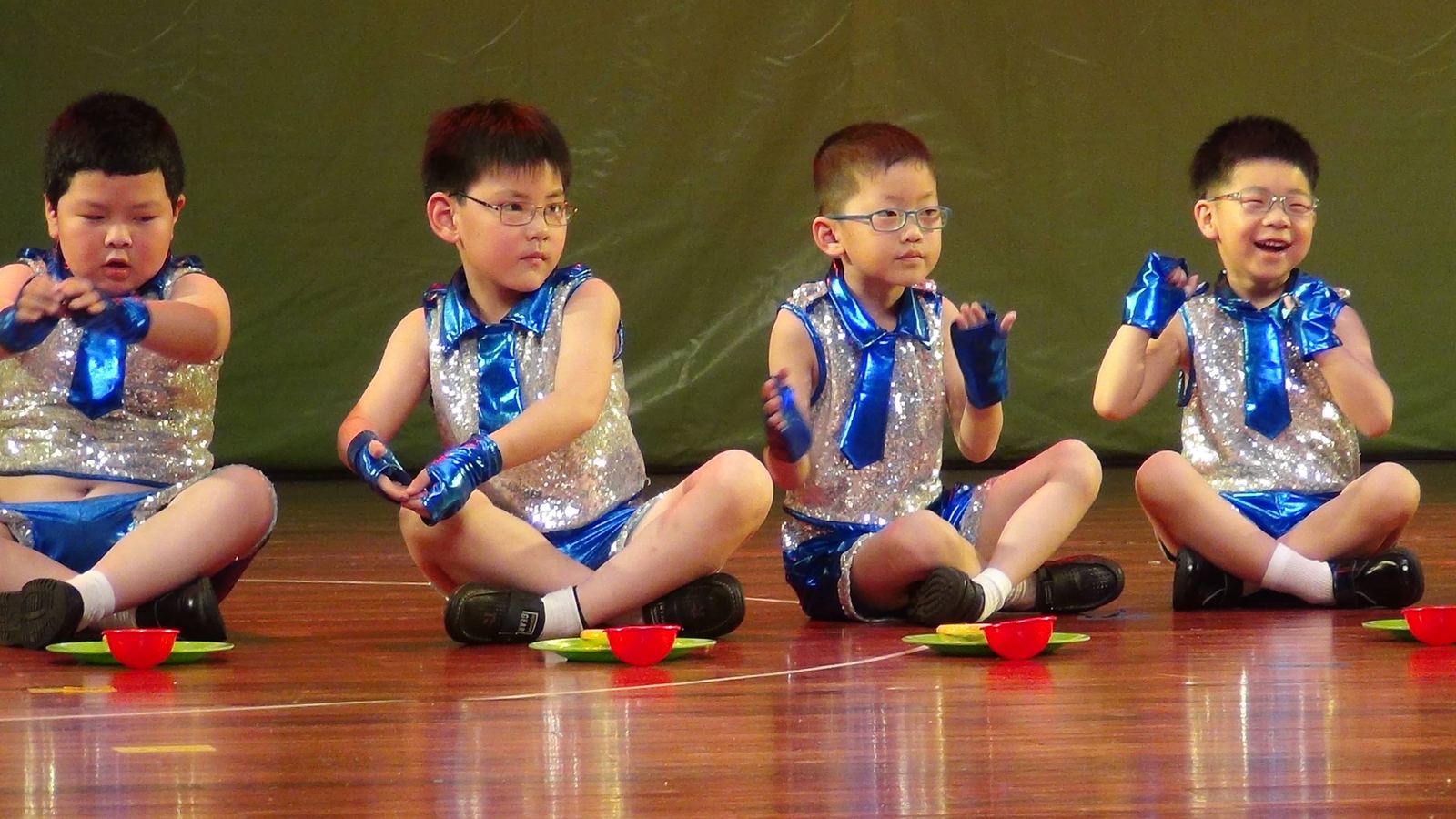
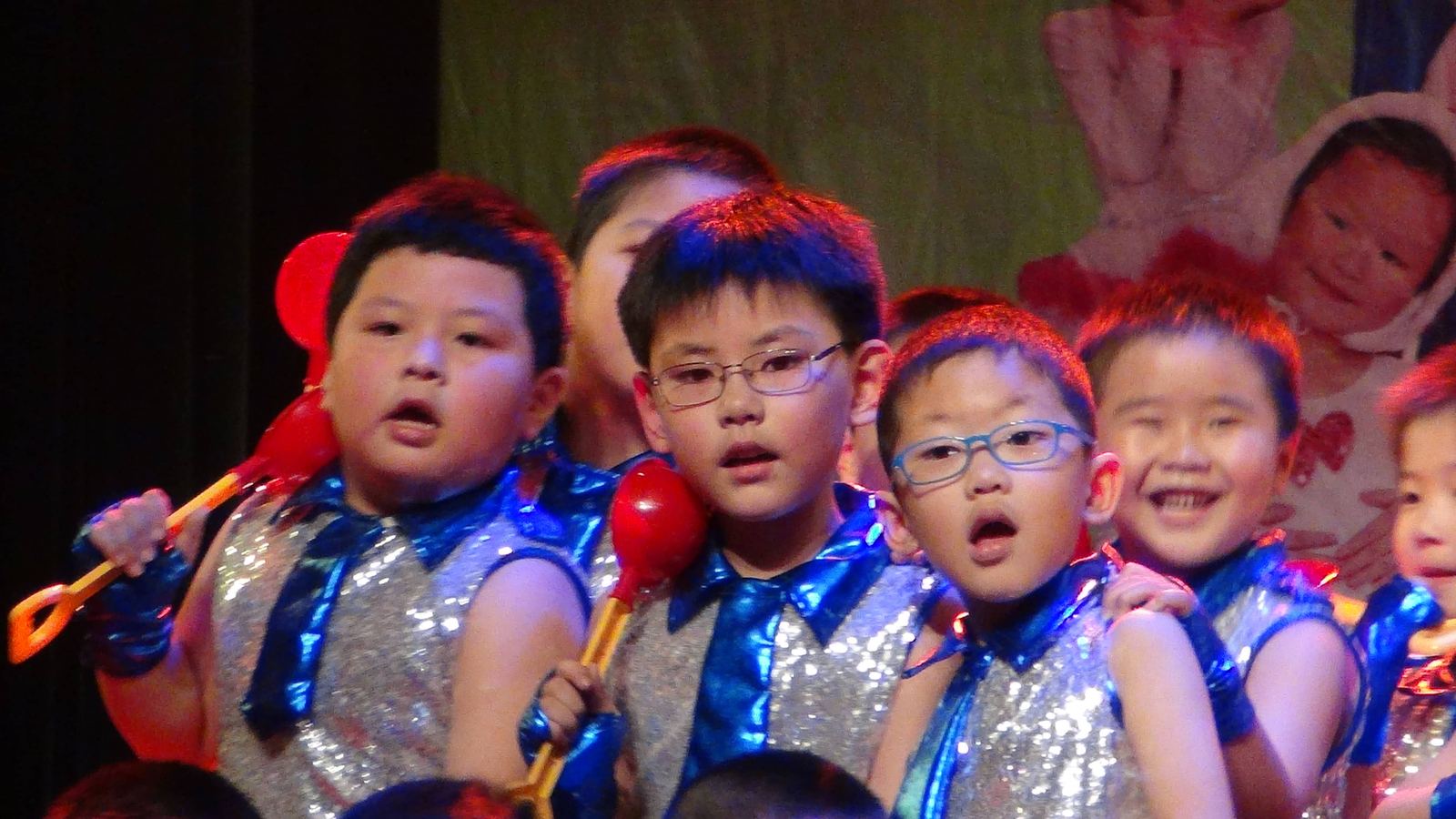
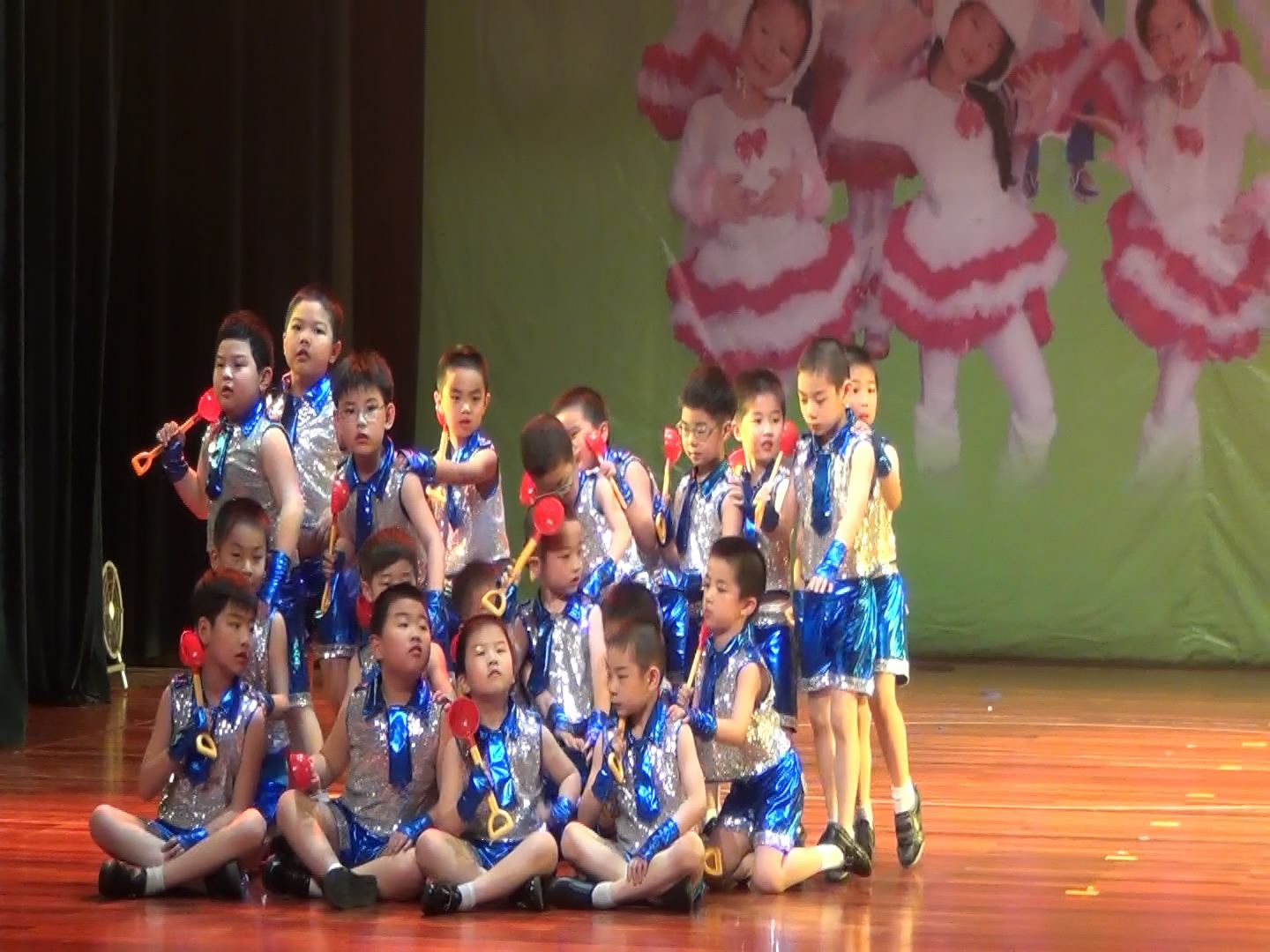
I have been performing since I was small. In high school I am still on stage, and I have started writing — screenplays, and short films made with AI. Every video in this section includes sound. Please turn the volume up.
Childhood performances
Group numbers from when I was small, and a guitar piece from the same years.
Includes sound
High school productions
Two performances from high school, then the booth where I ran live subtitles for a stage play.
Includes sound
Includes sound
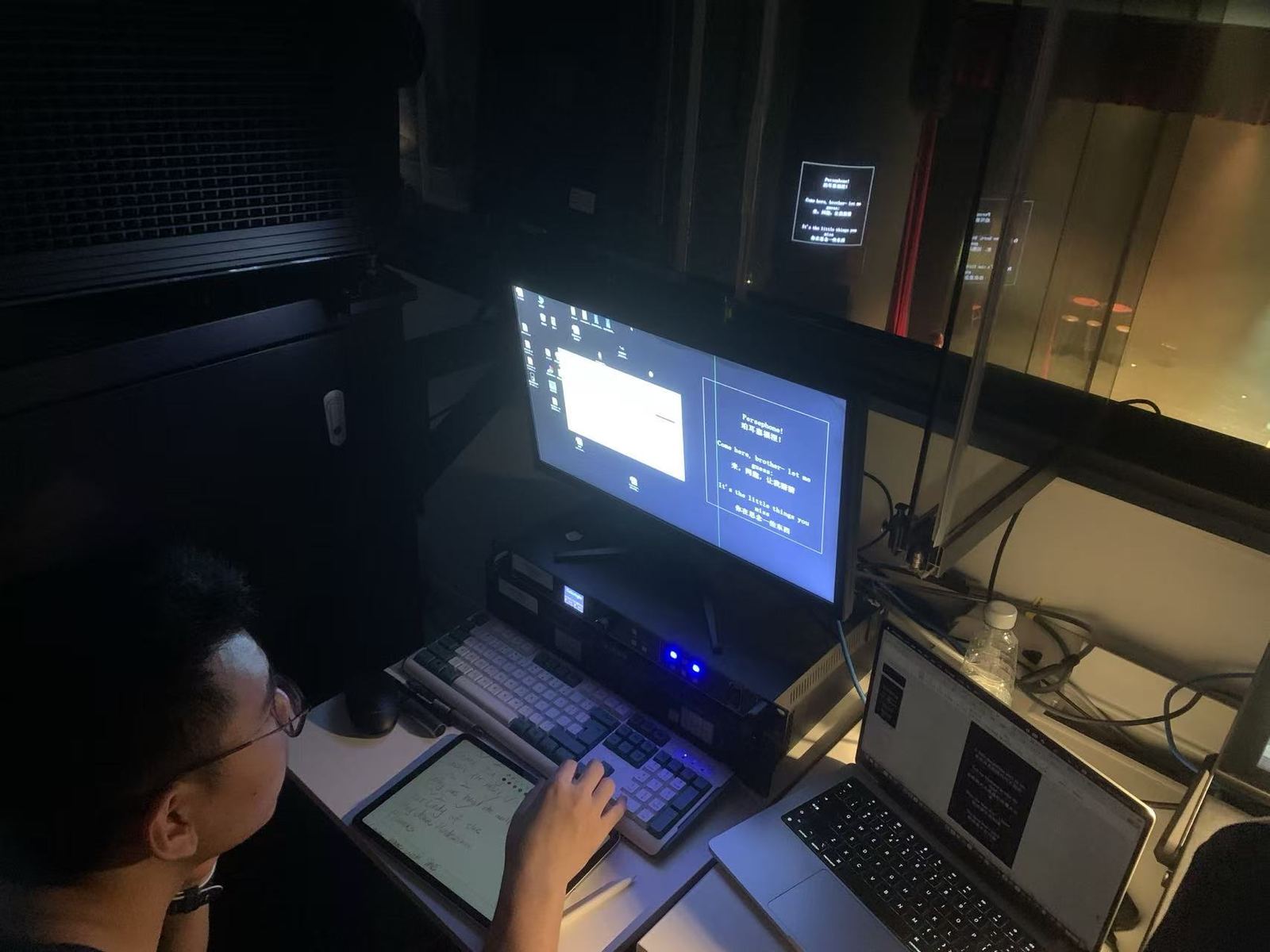
Includes sound
No Human Subjects is a short-film screenplay — part of the writing I have taken up alongside performing.
Research
The questions started on the court and moved into a hackathon, a paper, a walking brace, and a method for keeping visual question answering honest.
How can AI be used in sports?
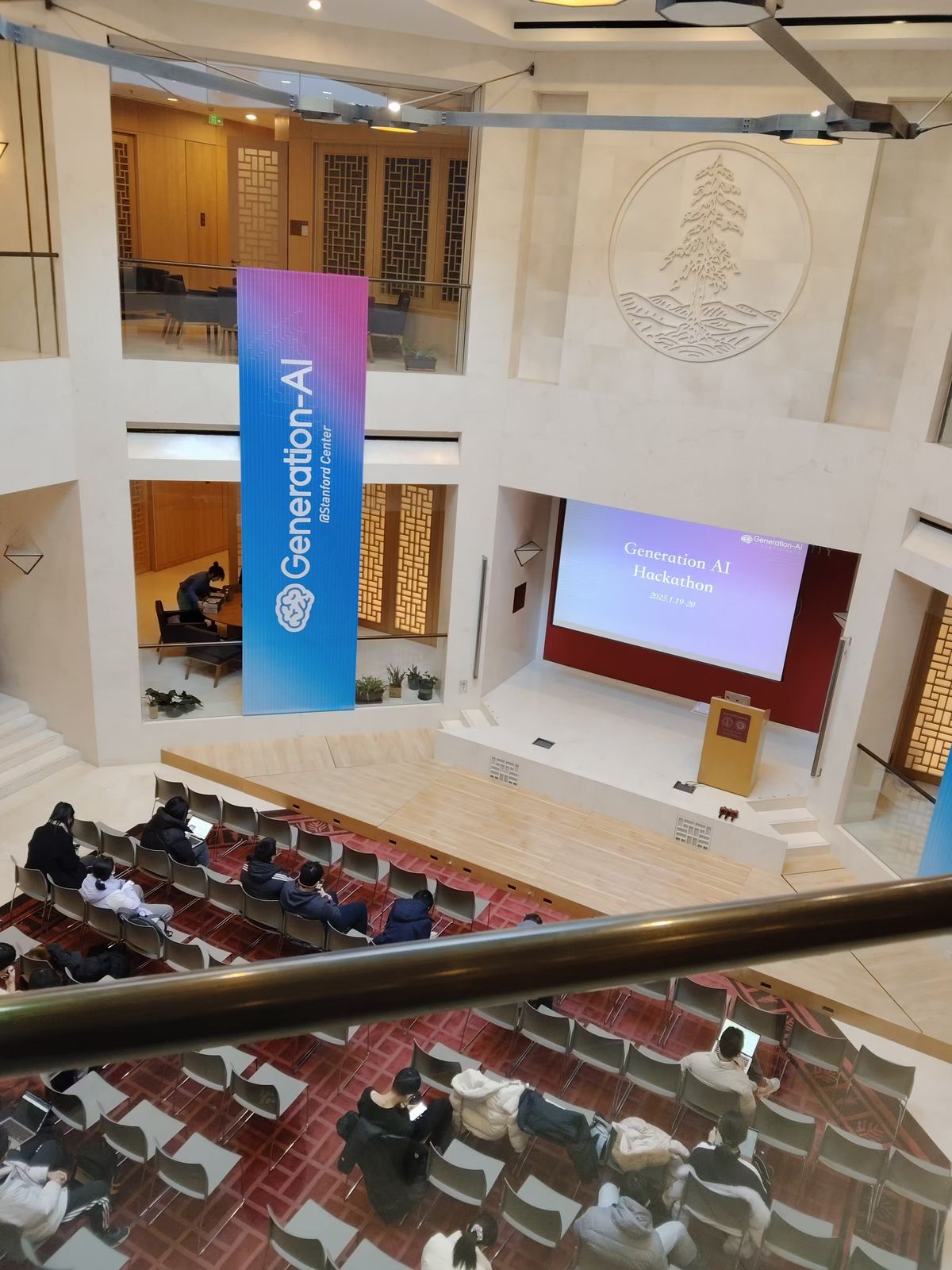

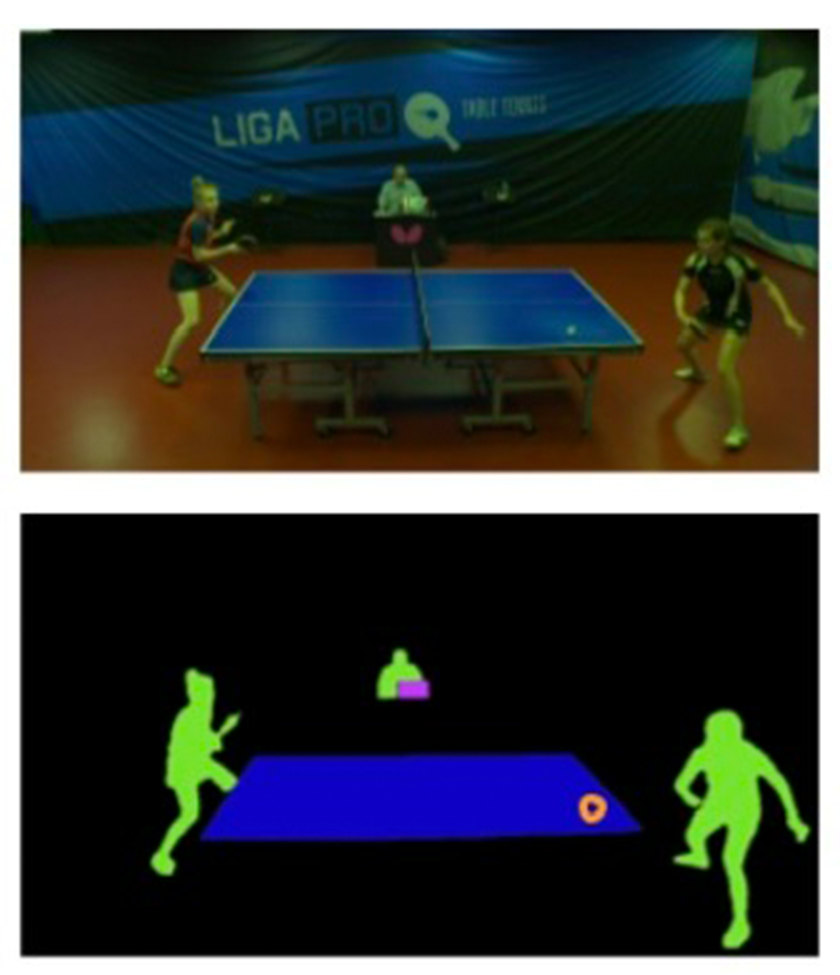
At the Generation AI Hackathon I worked on a question I already knew from playing. The poster follows one path: recognize a basketball action, read the data, then evaluate the player. The demo marks actions on the court. The paper compares SlowFast with R(2+1)D. SlowFast reached the same validation level as R(2+1)D, while capturing fine action detail at a lower compute cost.
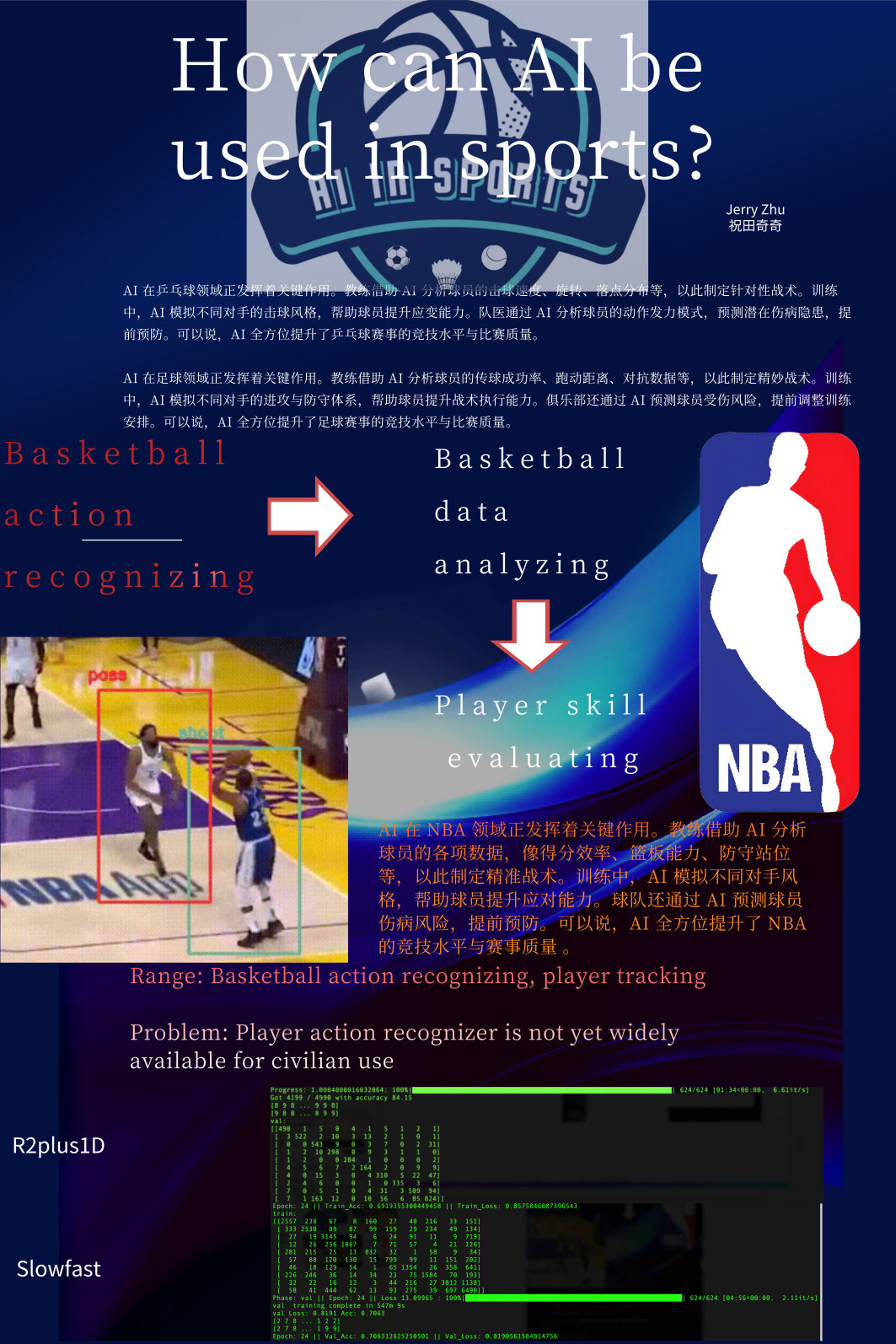

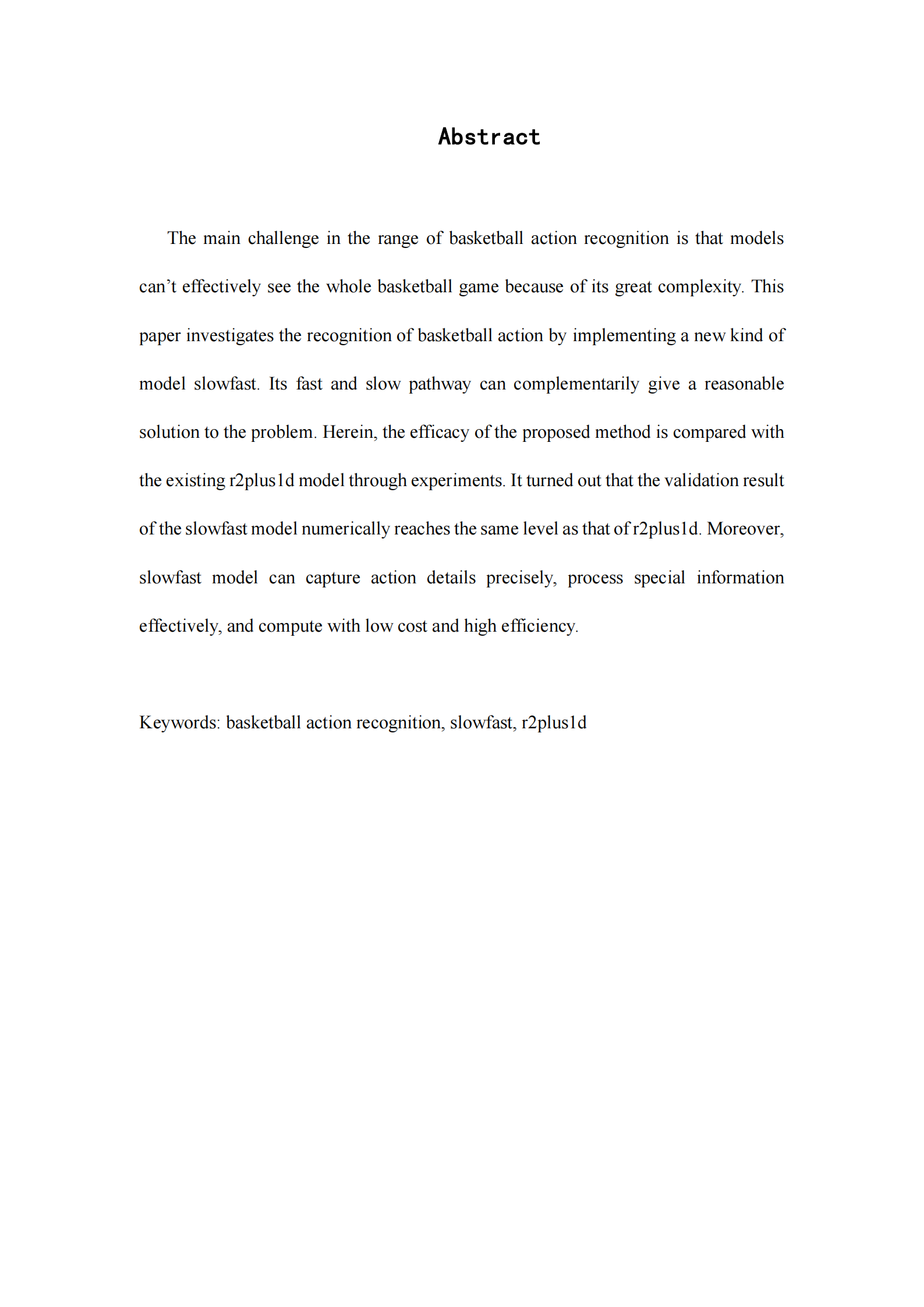
A Comparative Study of SlowFast and R(2+1)D Models in Basketball Action Recognition
Models struggle to see a whole basketball game because the scene is crowded and fast. This study uses SlowFast’s two pathways — one for motion, one for detail — and compares it with R(2+1)D.
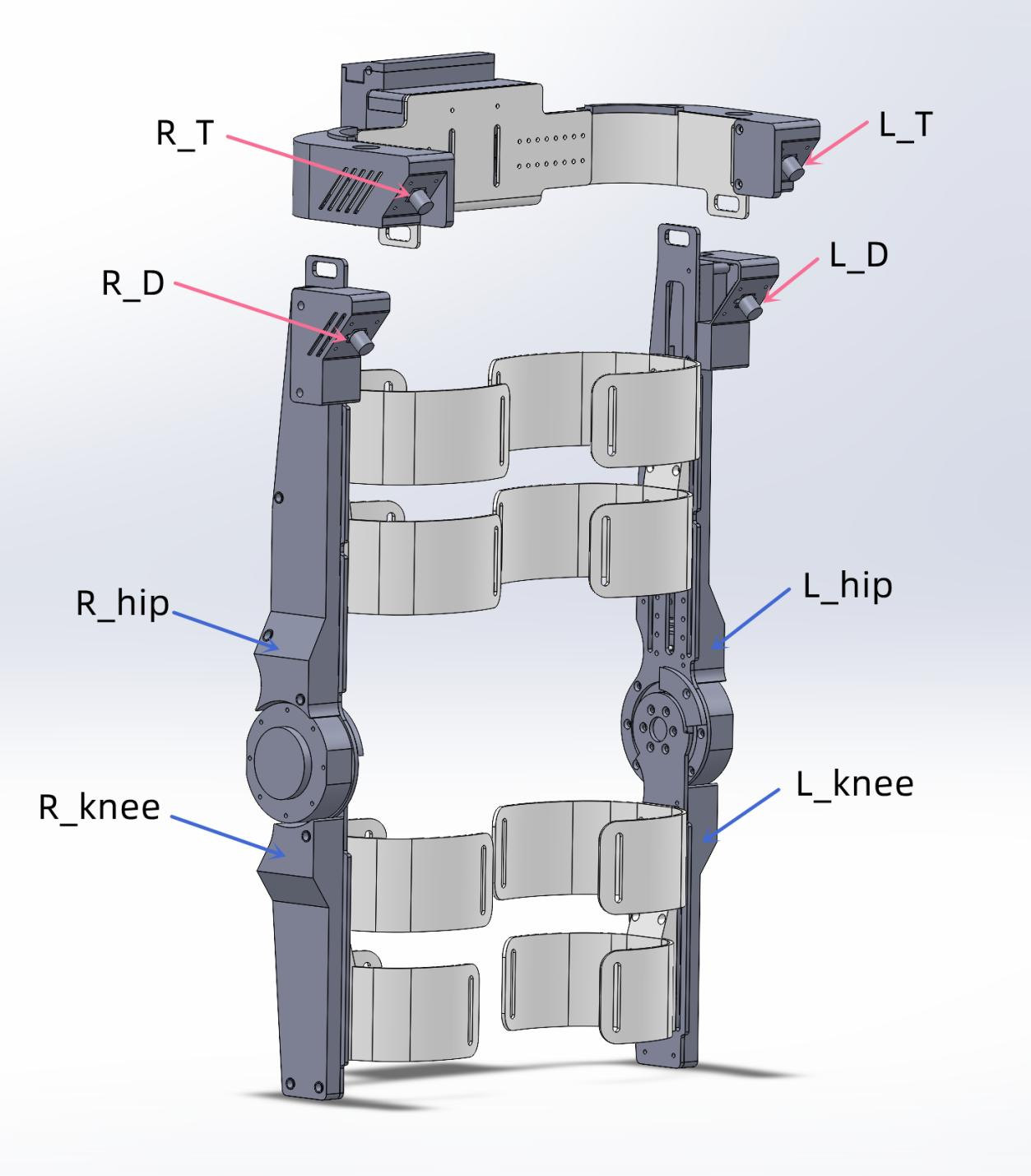
An exoskeleton that reads the ground
I worked on an exoskeleton meant to help people who have trouble walking. The drawing labels the hip and knee on each side. The video shows terrain recognition while the brace is worn, so the system can tell one surface from another.
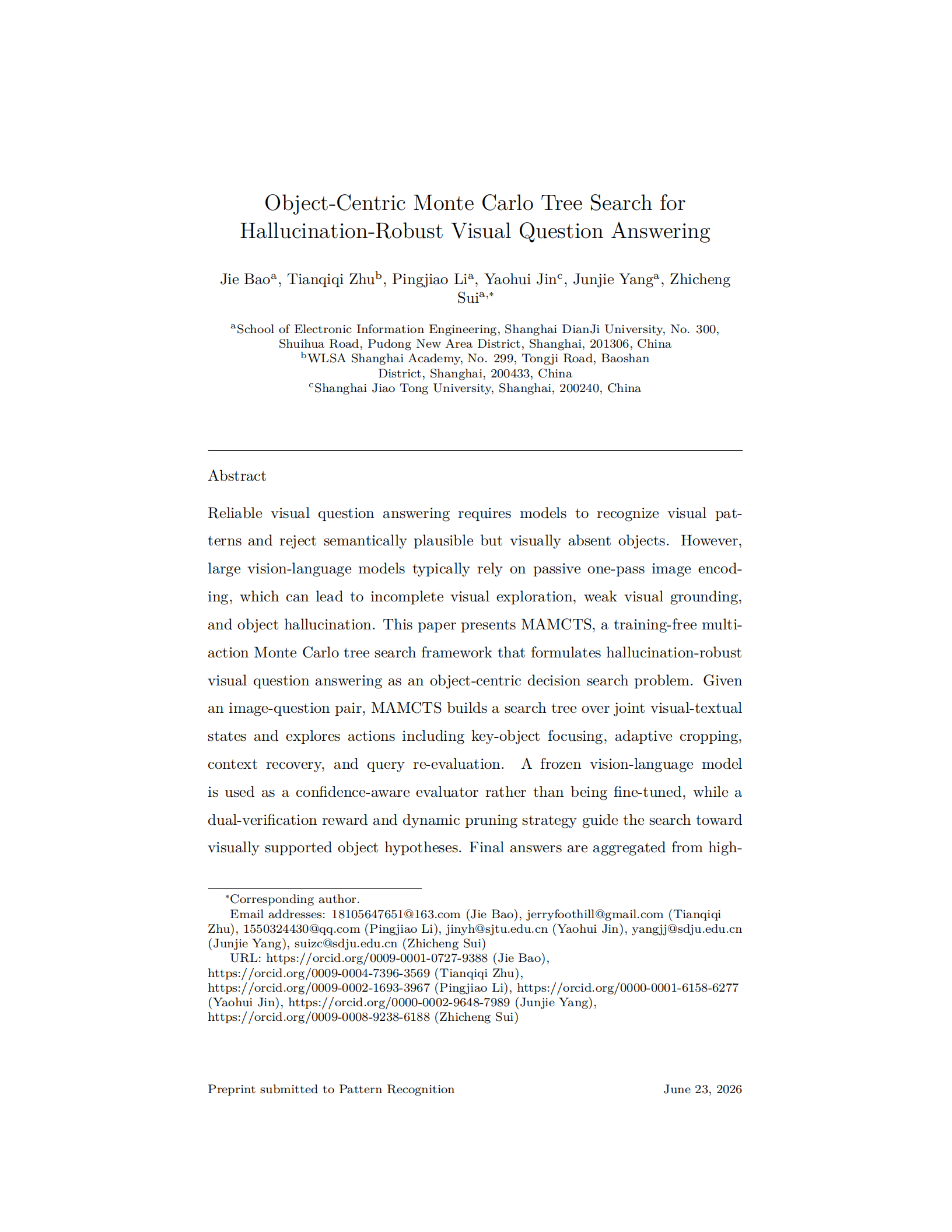
Object-Centric Monte Carlo Tree Search for Hallucination-Robust Visual Question Answering
With collaborators at WLSA Shanghai Academy and partner labs, I co-authored this paper. Reliable visual question answering has to notice objects that are really there and refuse objects that only sound plausible. Large vision-language models often look at an image once and then guess. Our method, MAMCTS, treats the problem as a search: where to look, when to crop, and when to check the answer again. A frozen vision-language model scores the steps. It is not fine-tuned.
Activities
A club, a few contests, and tools I built because someone nearby needed a better way to see the same information.
AI in Sports
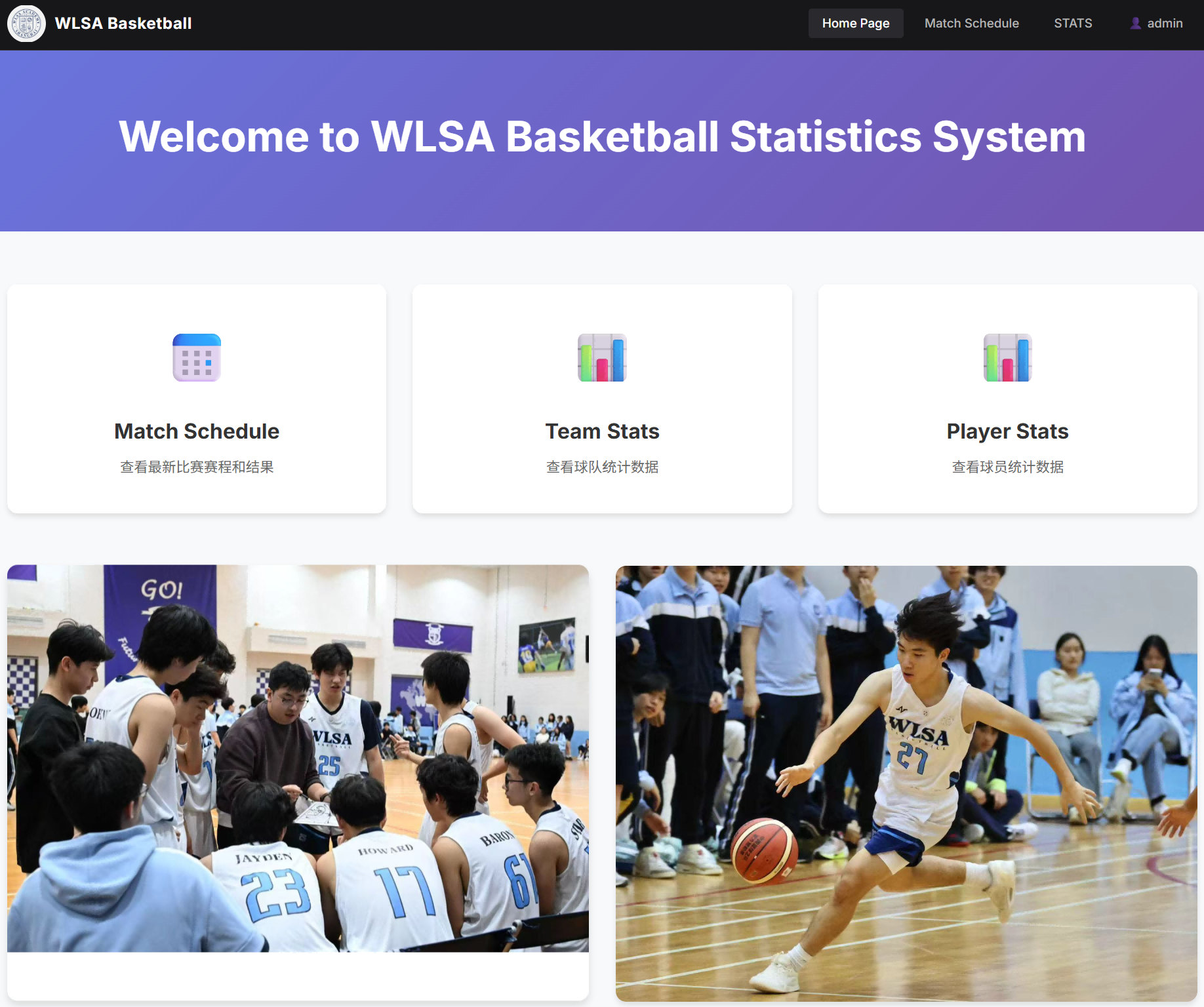
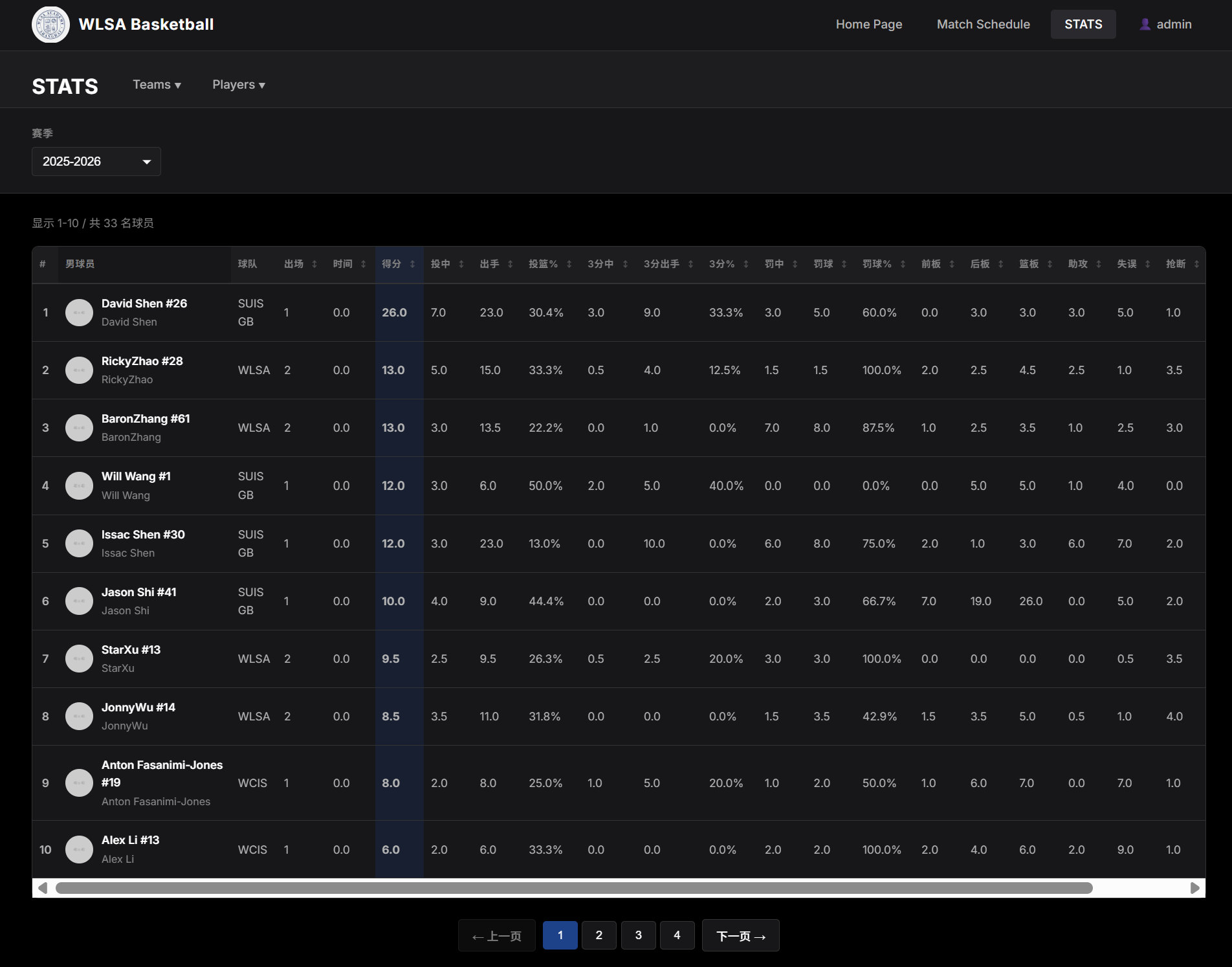
Club I startedI founded the AI in Sports club and made the poster we used to recruit. In the club we learned AI methods and tried them on basketball and table tennis. We also built a statistics site for the WLSA basketball team, so a season of players and games can be read in one place.

Conrad Challenge
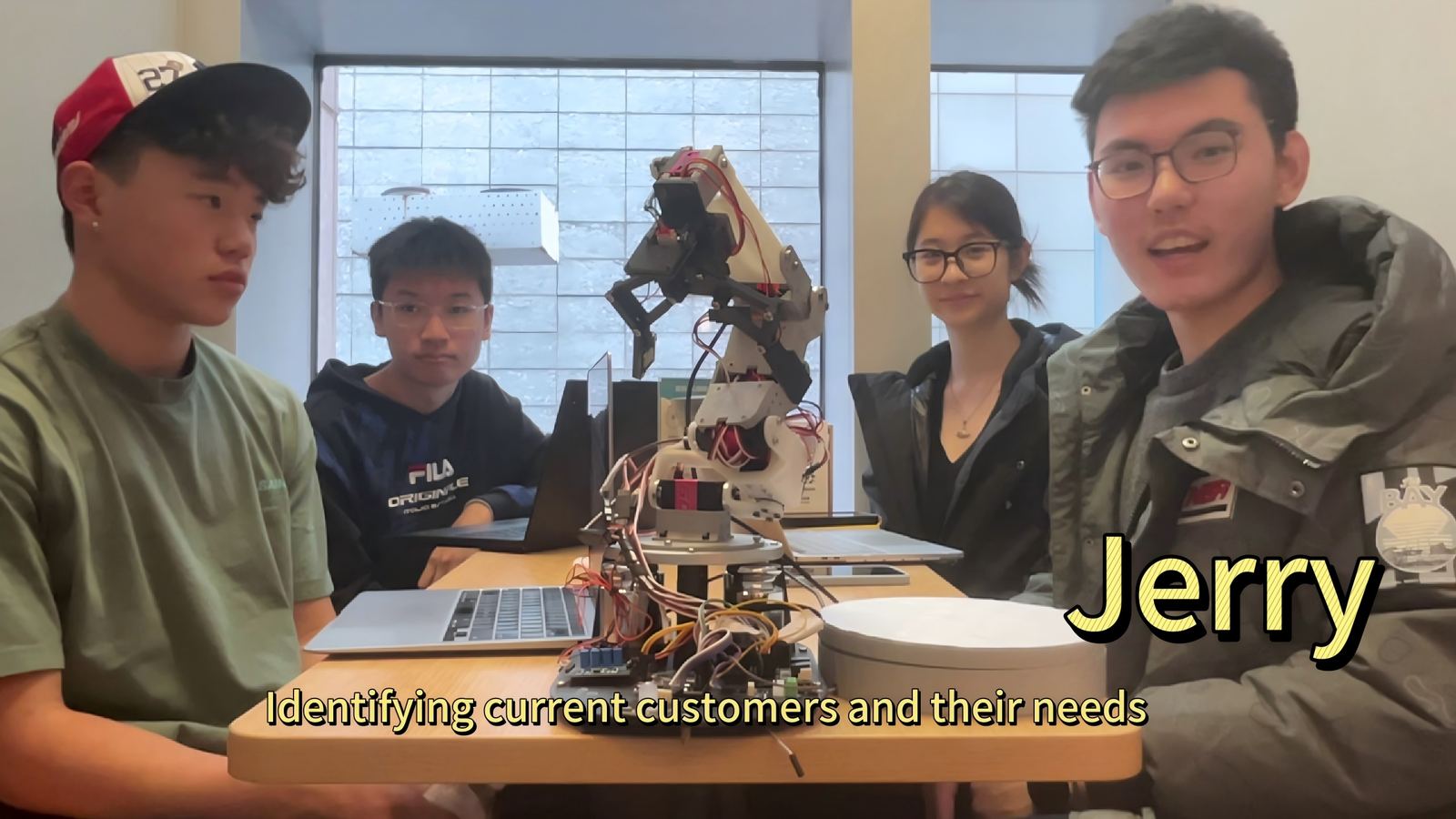
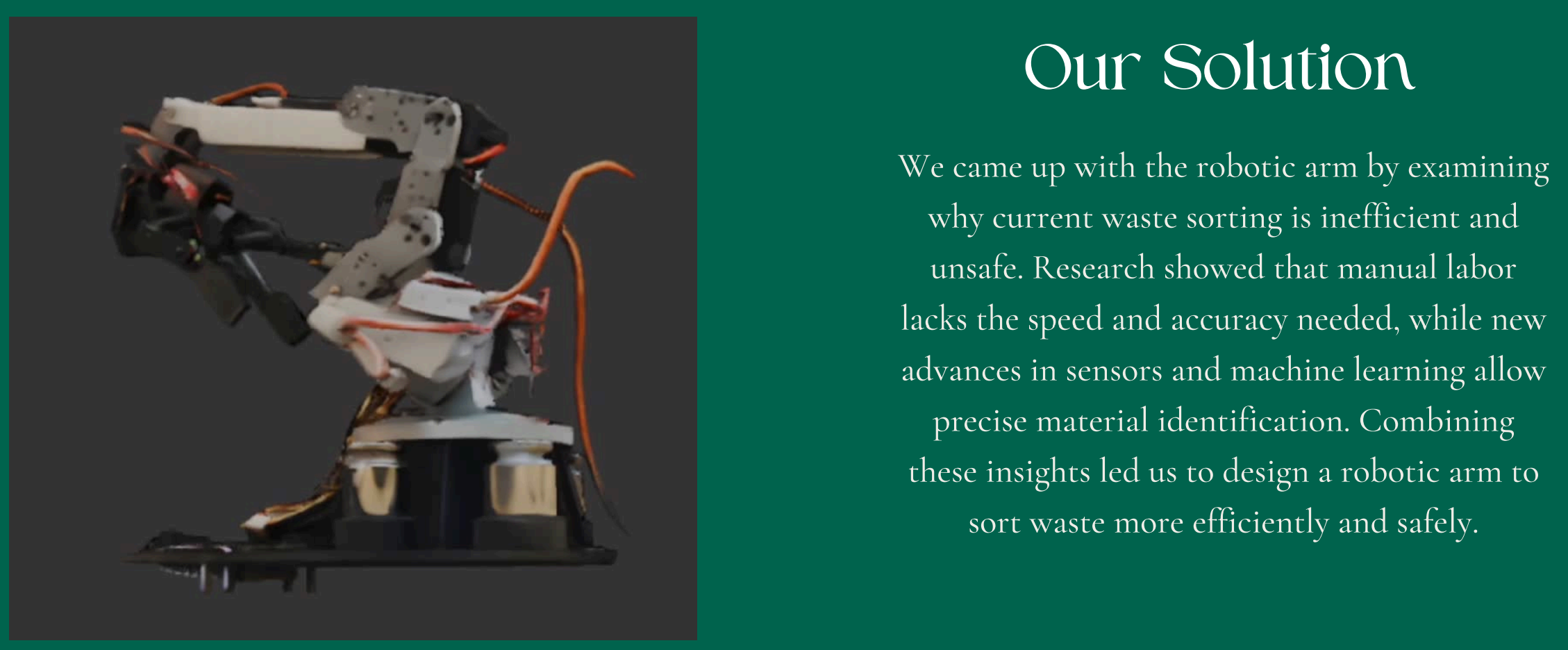
Who needs this, and whyOn our Conrad team I was responsible for identifying current customers and their needs. We designed a robotic arm to sort waste more safely than hand sorting. I made a 3D turnaround so a viewer can see how the arm is built.
Space settlement
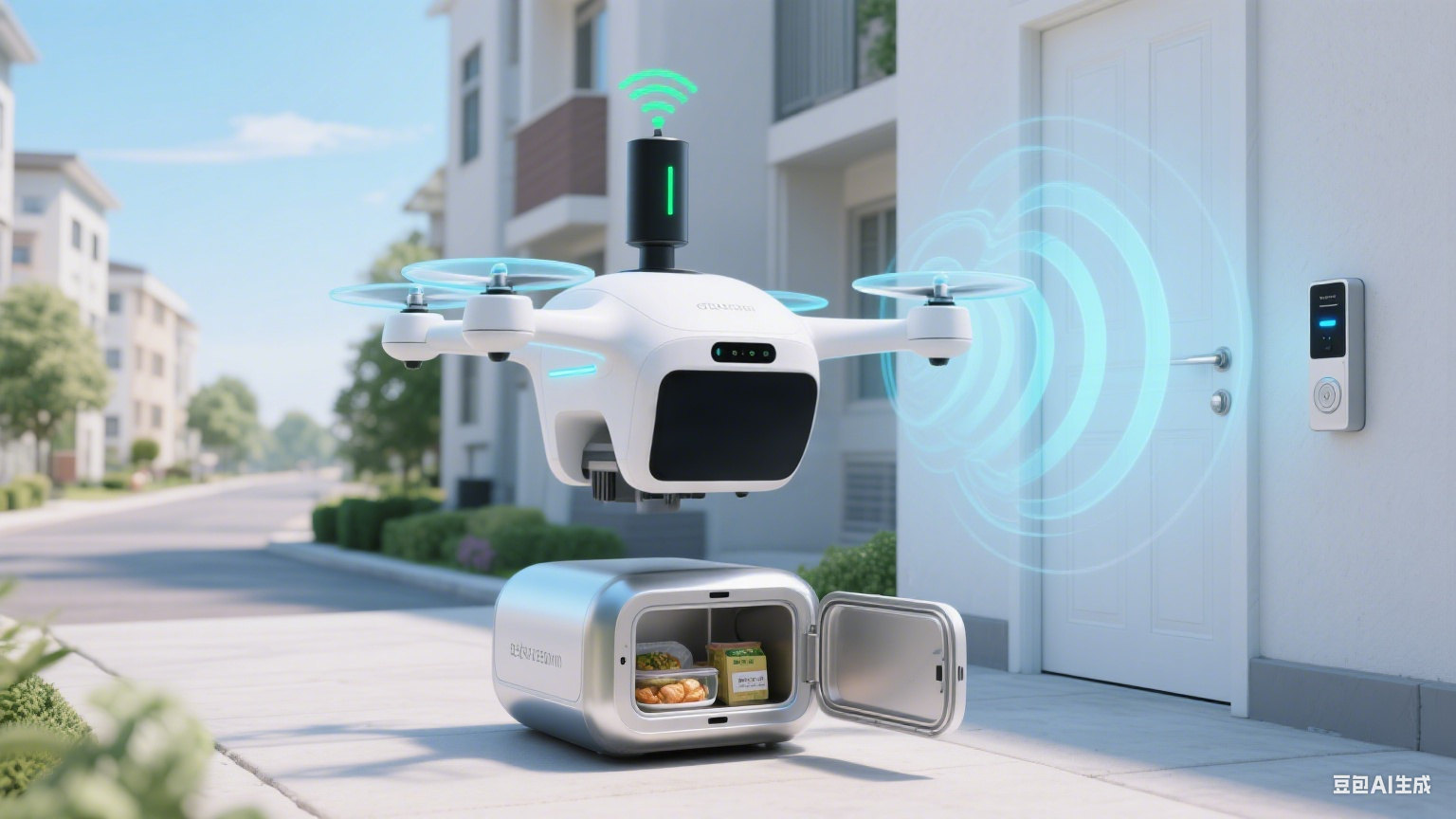
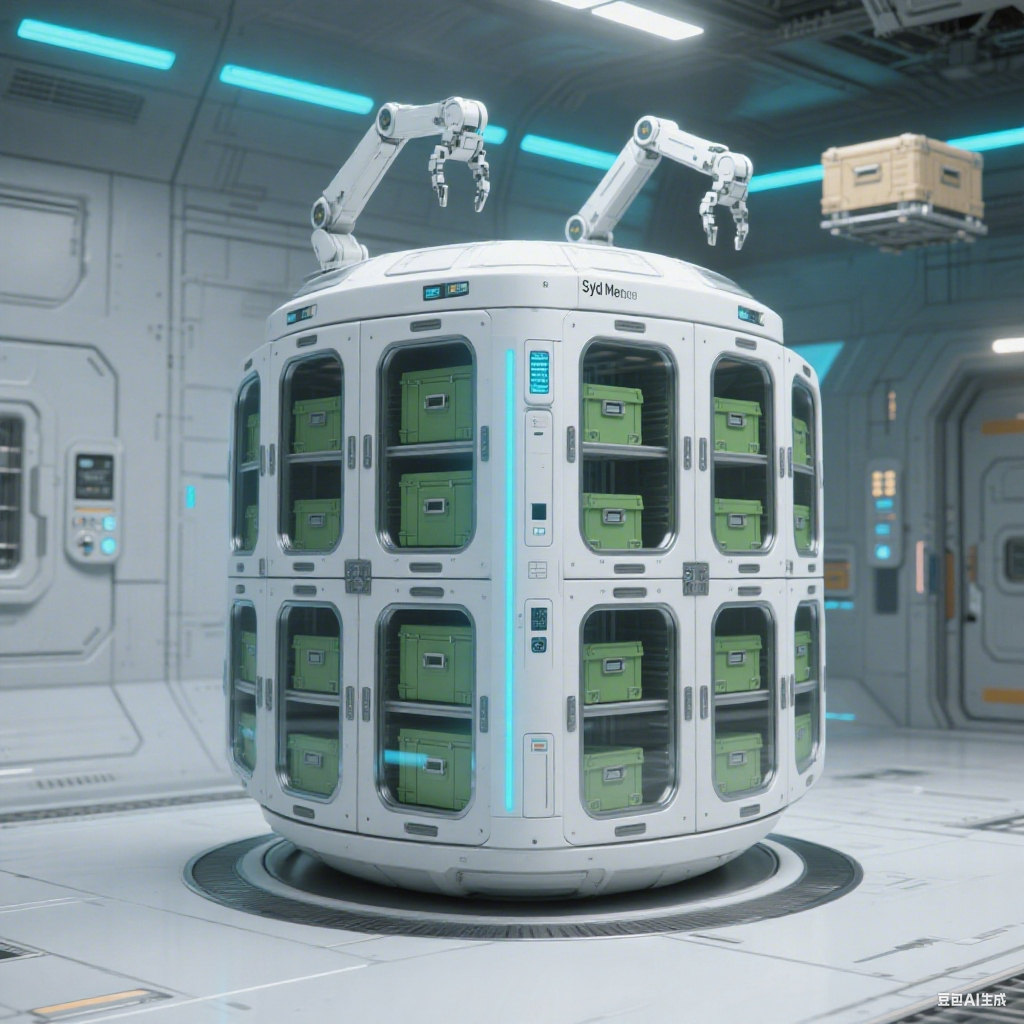
ISSDCFor our team’s space-city design I modeled a delivery drone and a storage module. The full proposal is in the ISSDC report.
Kaggle
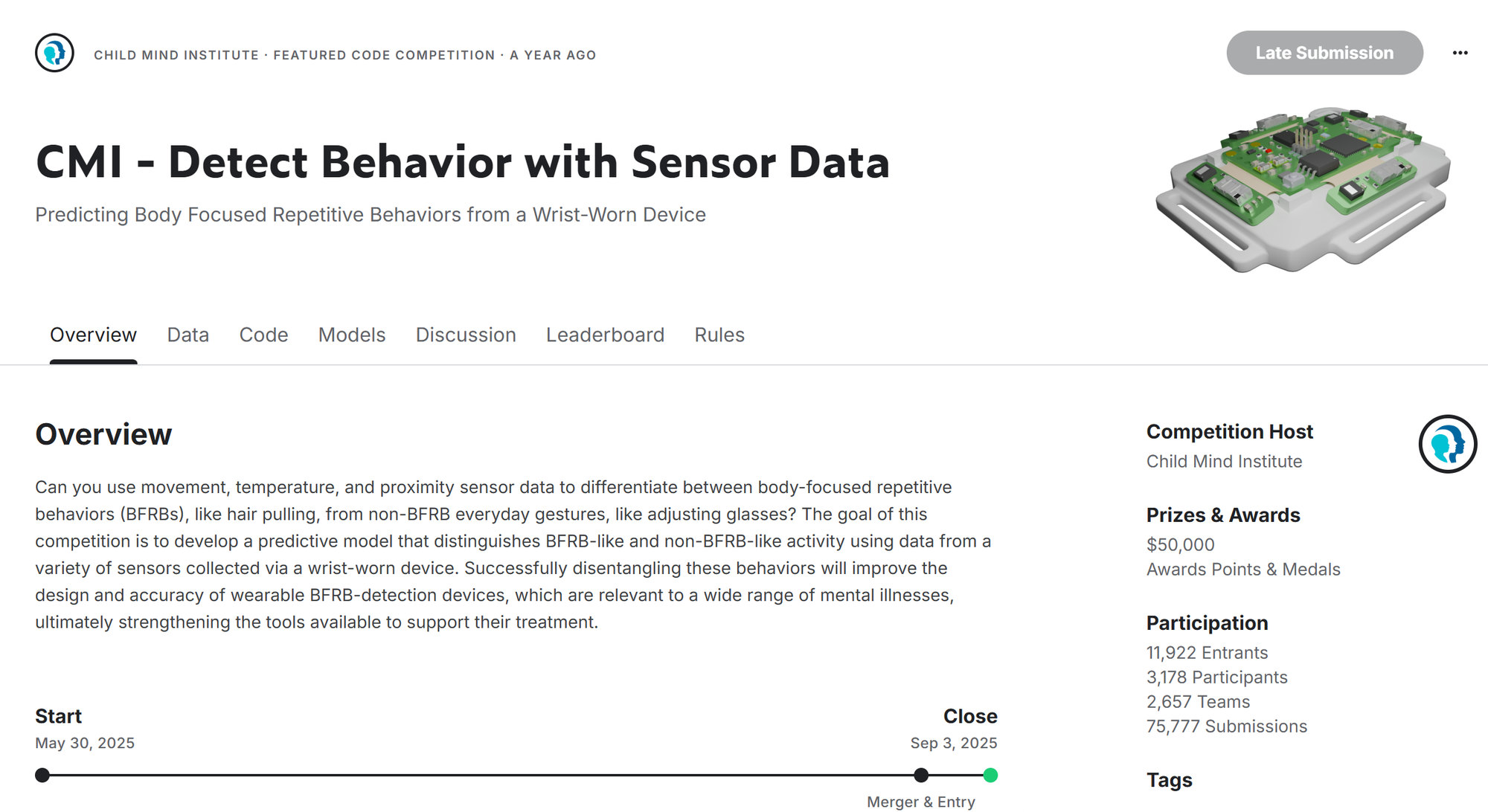
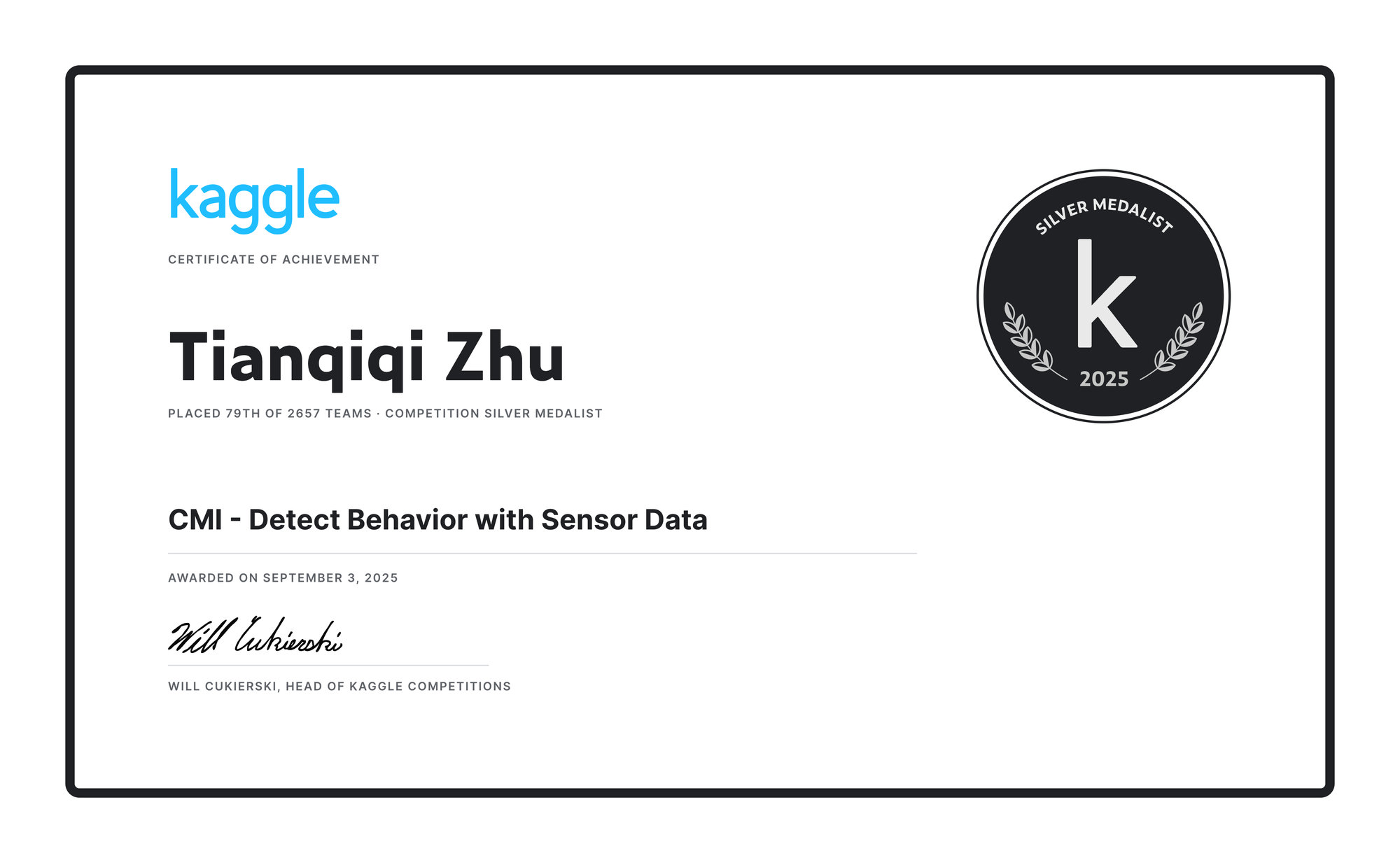
Silver · 79 / 2,657Child Mind Institute — Detect Behavior with Sensor Data. The task was to separate body-focused repetitive behaviors, such as hair pulling, from ordinary gestures, using a wrist-worn sensor. Our team placed 79th of 2,657. I received a competition silver medal on September 3, 2025.
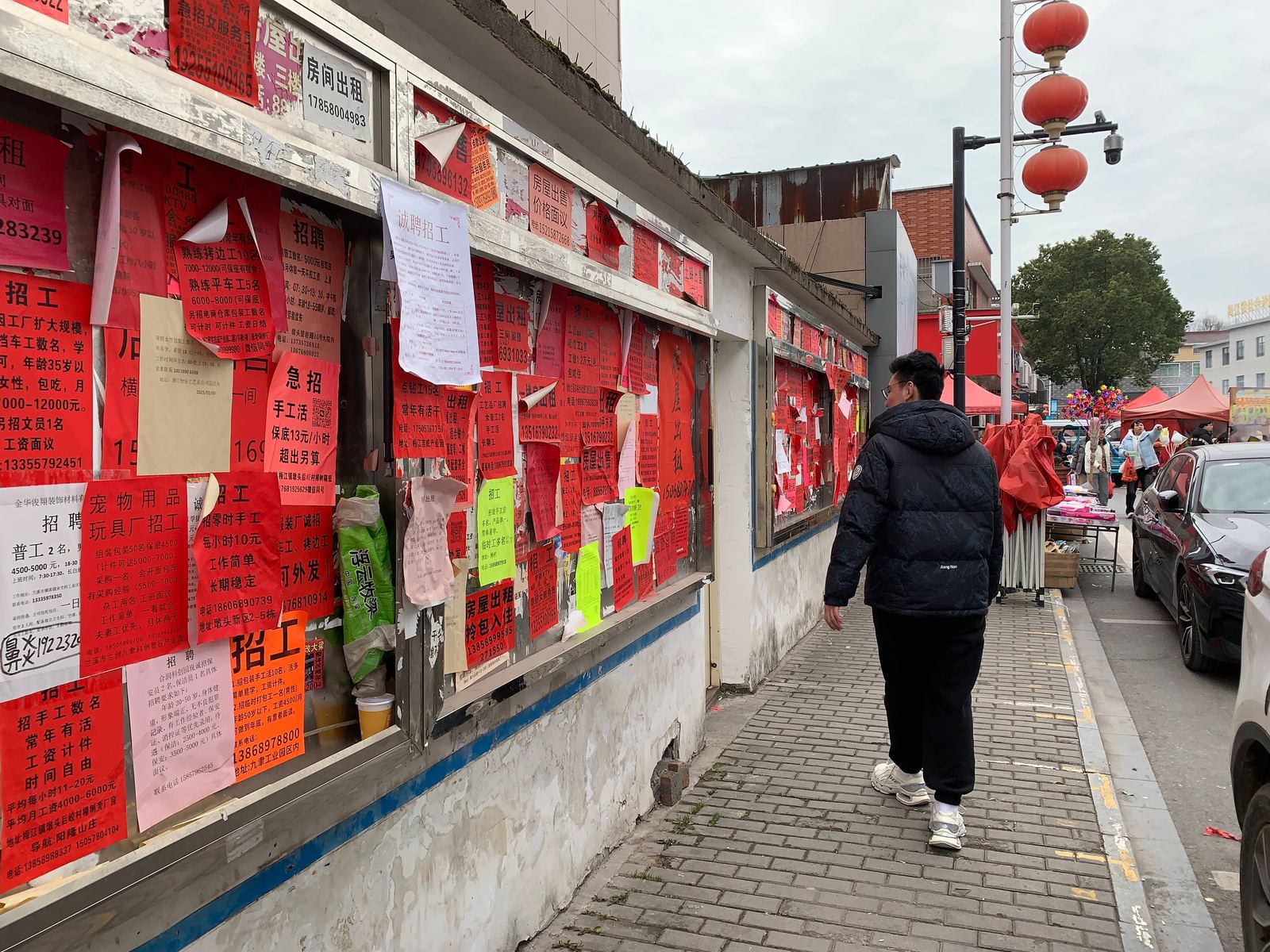
Jobs and rooms, off the wall
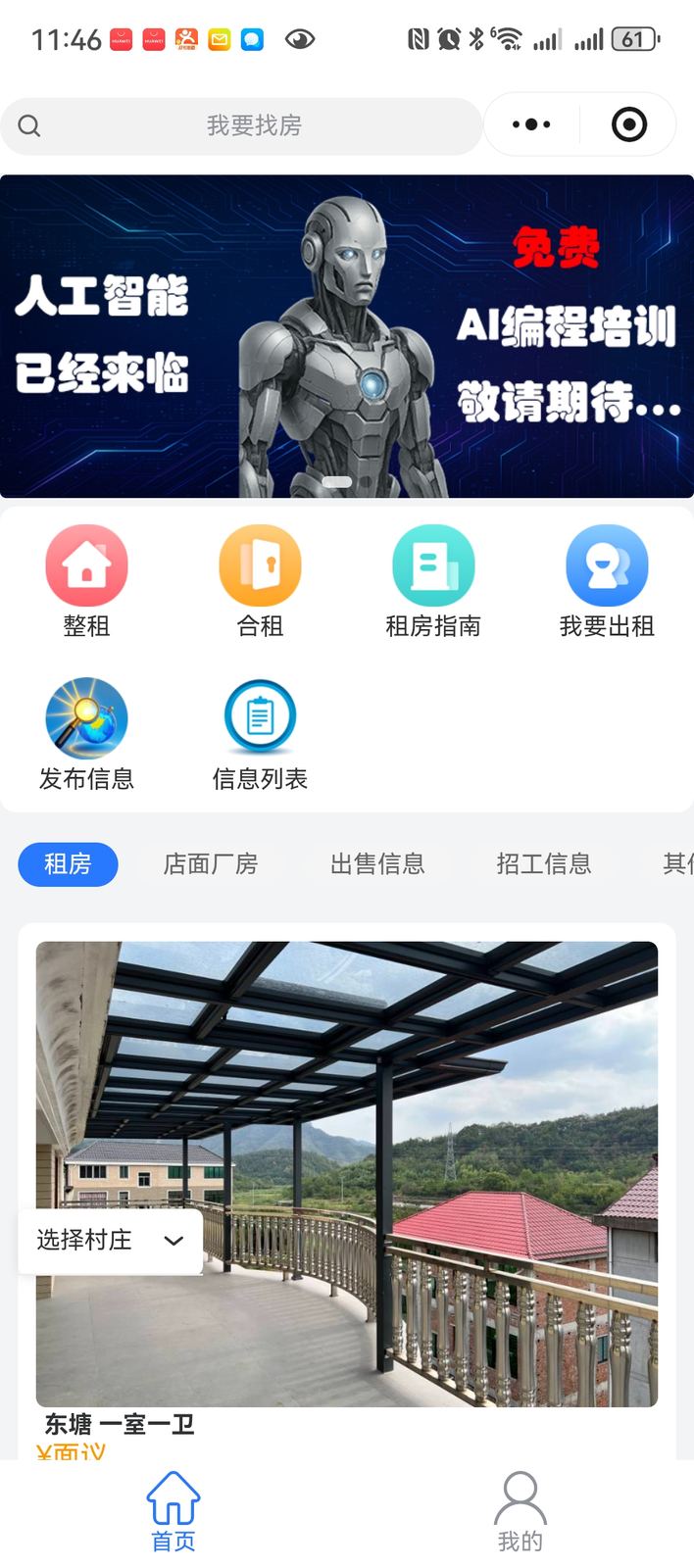
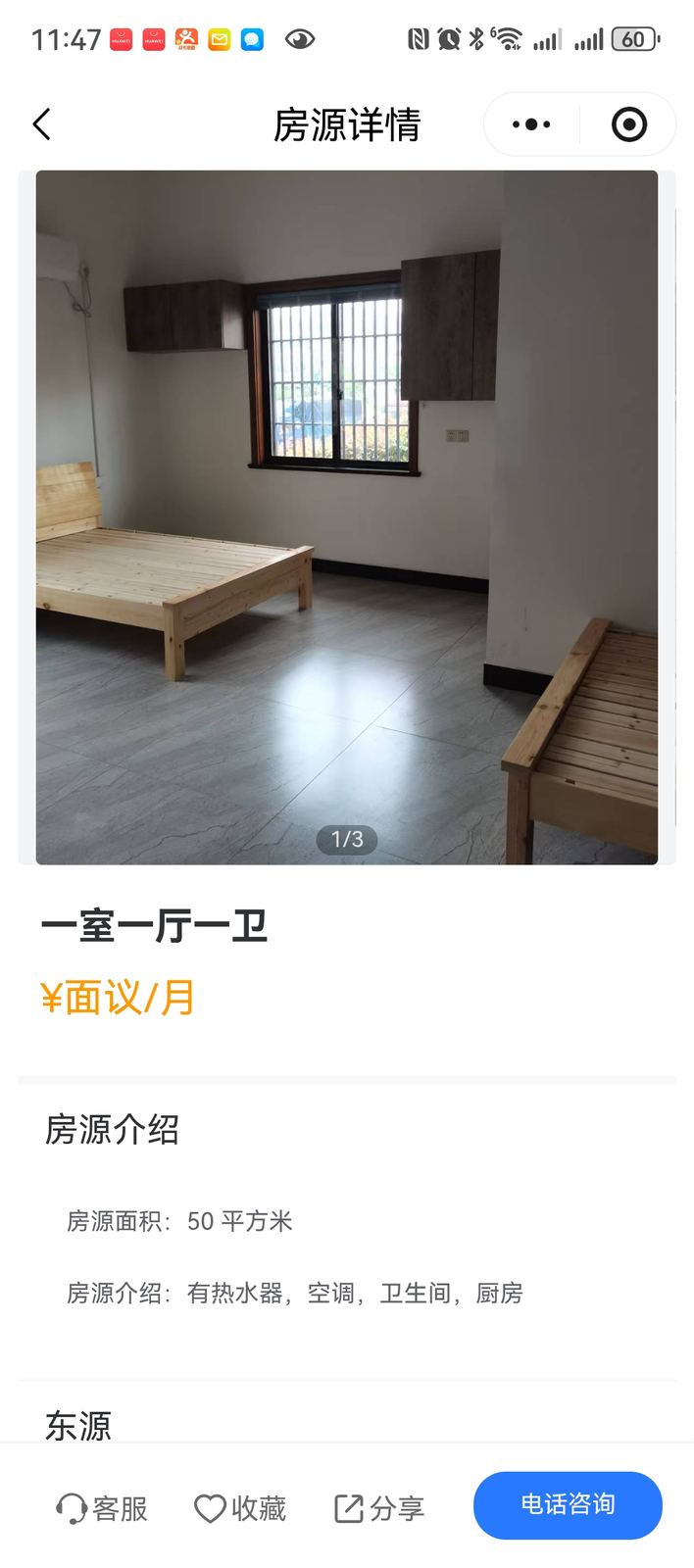
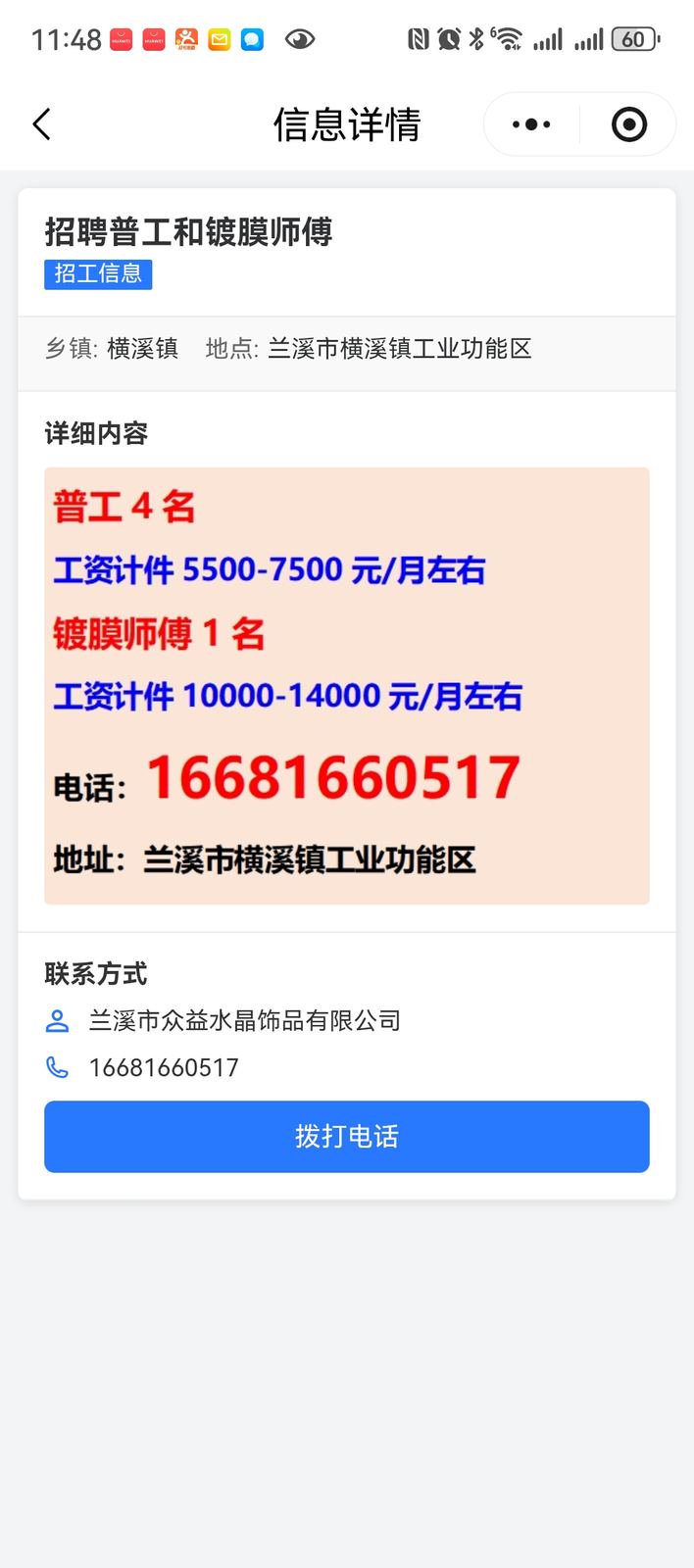
WeChat mini programIn my hometown, job ads and room rentals for people who come to work are still posted on a wall. I wrote a WeChat mini program so a room, a shift, and a way to call can be searched instead of read off peeling paper.
Hardware, then a COVID tracer
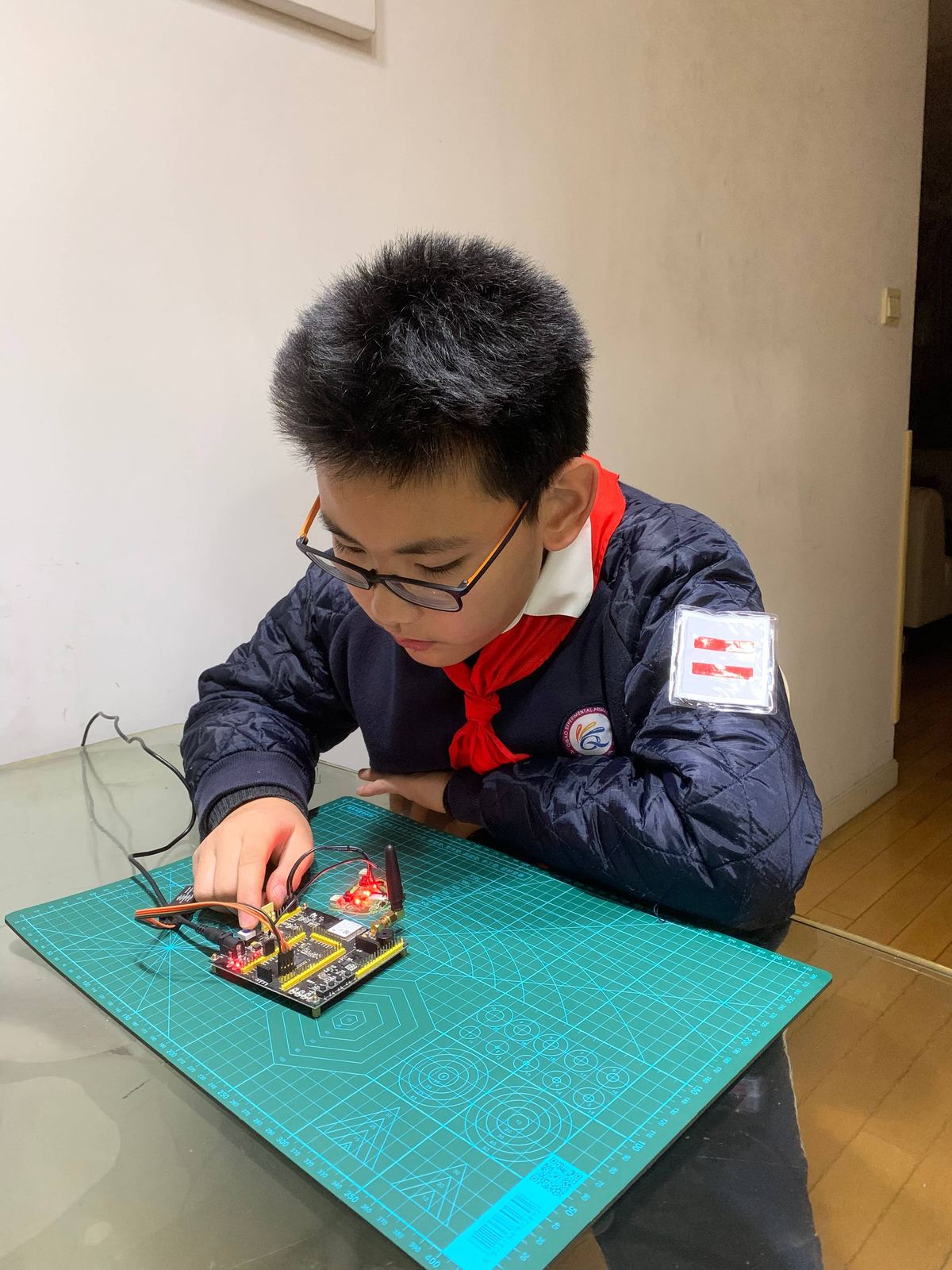
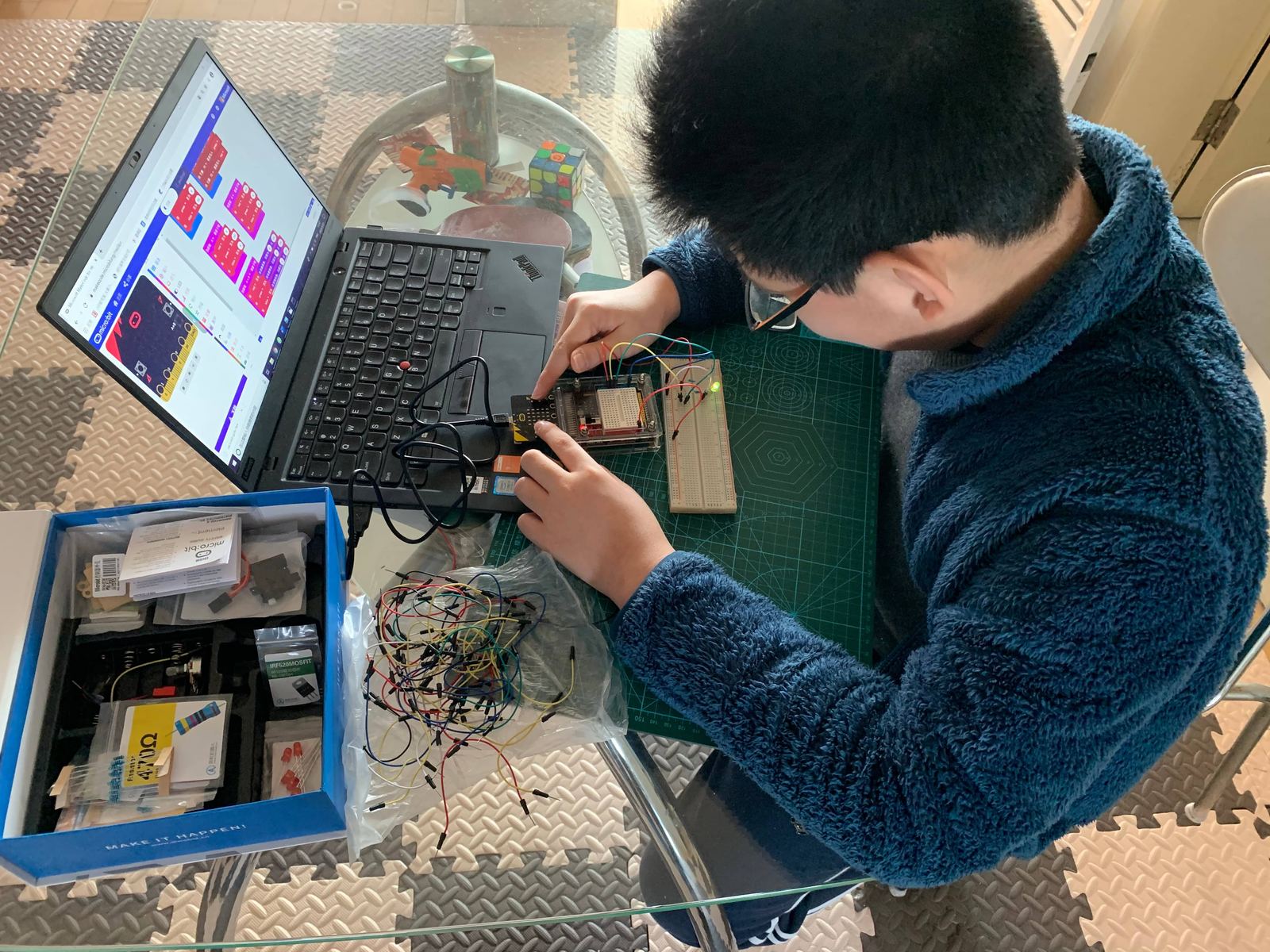
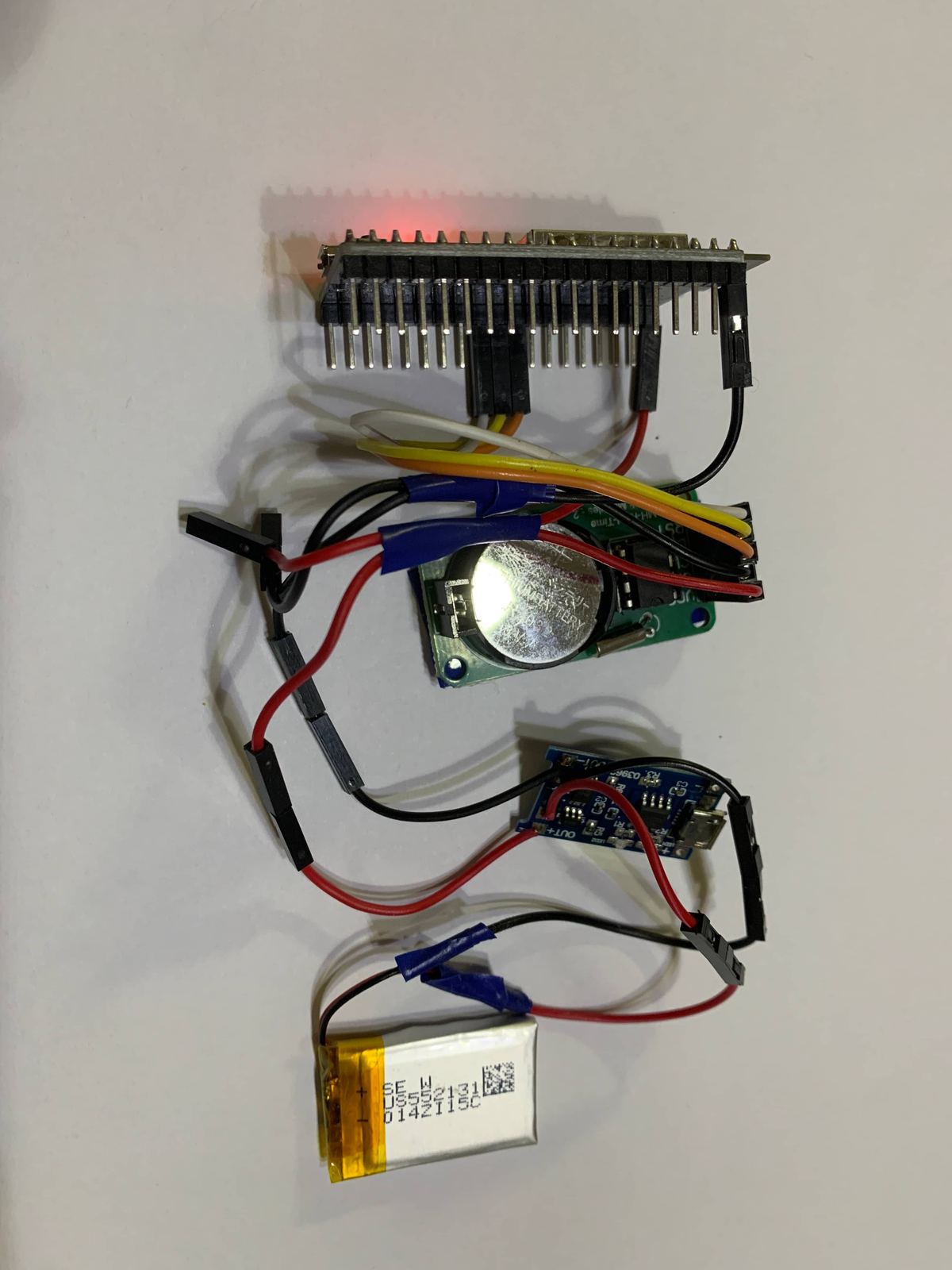
Middle schoolIn middle school I started learning circuits. During COVID I built a low-power Bluetooth device to keep a record of contact with a confirmed case, and a WeChat mini program that reads the time and distance back off the device.
From Lego to an AI server
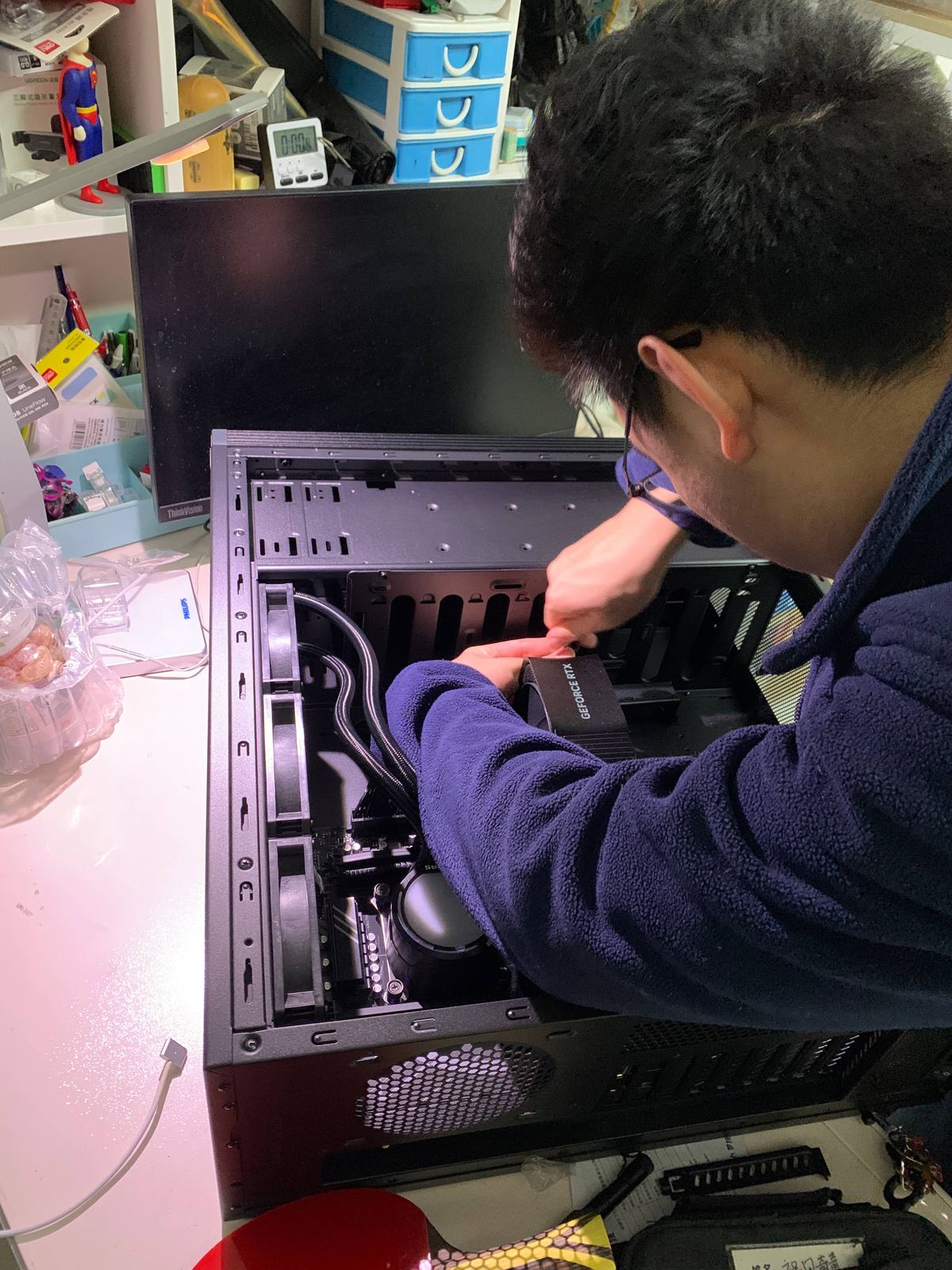
Hands firstLego came first. Then a desk and shelf I helped build as a child. In high school I assembled my first AI server: case, cooling, and a GeForce RTX card.
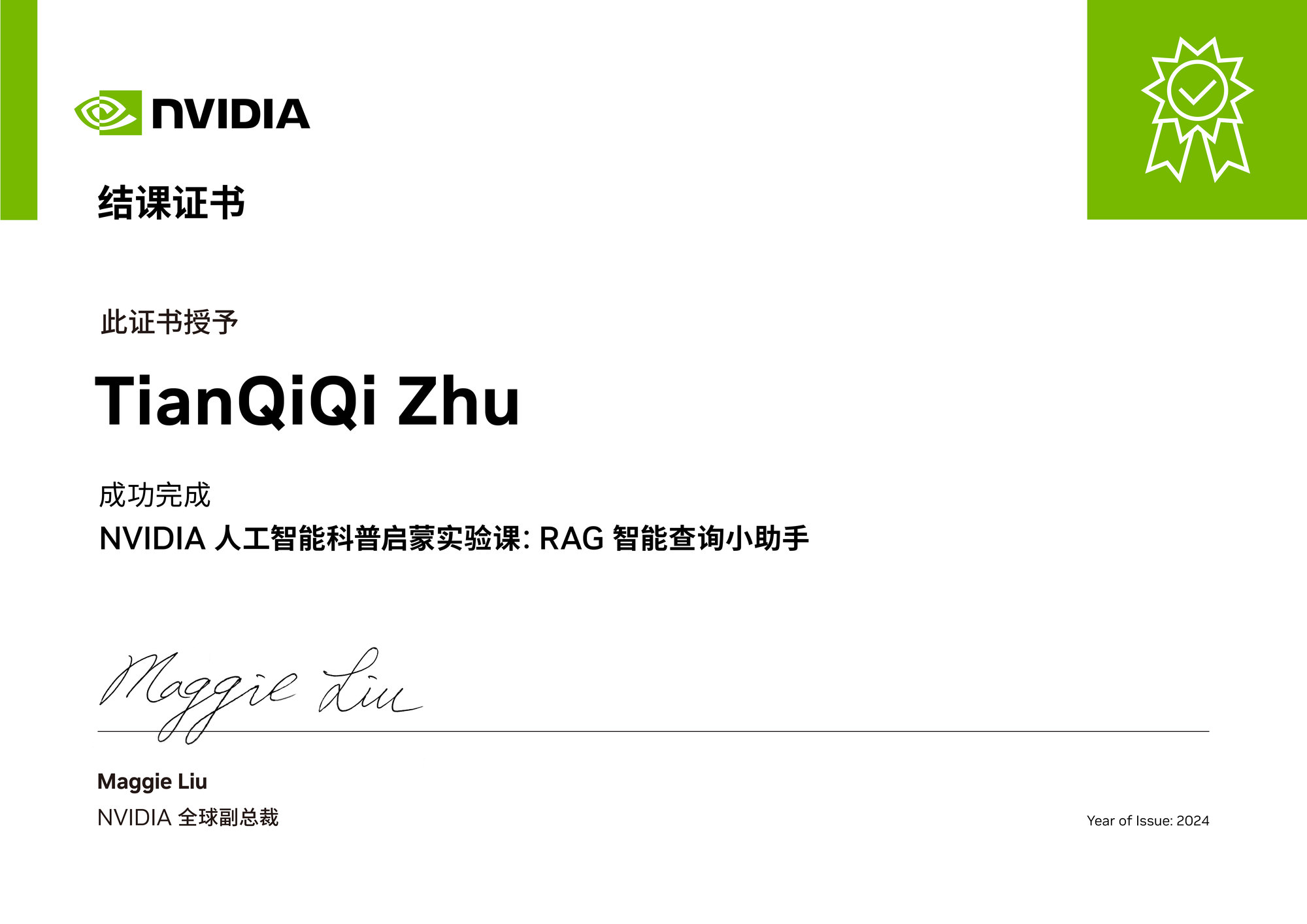
NVIDIA introductory lab
2024In 2024 I completed NVIDIA’s introductory lab on a small RAG assistant for asking questions over a set of materials.
I would be glad to talk.
I am applying to undergraduate programs in the United States. The papers, the screenplay, the Conrad brief, and the space-city report are linked above. Photographs on this page open larger.
Tianqiqi Zhu
WLSA Shanghai Academy